Au grand jour
Dual solo exhibition by Agata Ingarden
January 31 - April 23, 2026, public opening on Friday, January 30, from 5 PM to 10 PM
Panorama, Friche la Belle de Mai
⮕ Read the exhibition’s guide by clicking here
An exhibition conceived and produced by Triangle-Astérides, co-produced by the cooperative La Friche la Belle de Mai and the Collection Lambert in Avignon
With the support of the Adam Mickiewicz Institute and Galerie Berthold Pott
In partnership with CIRVA
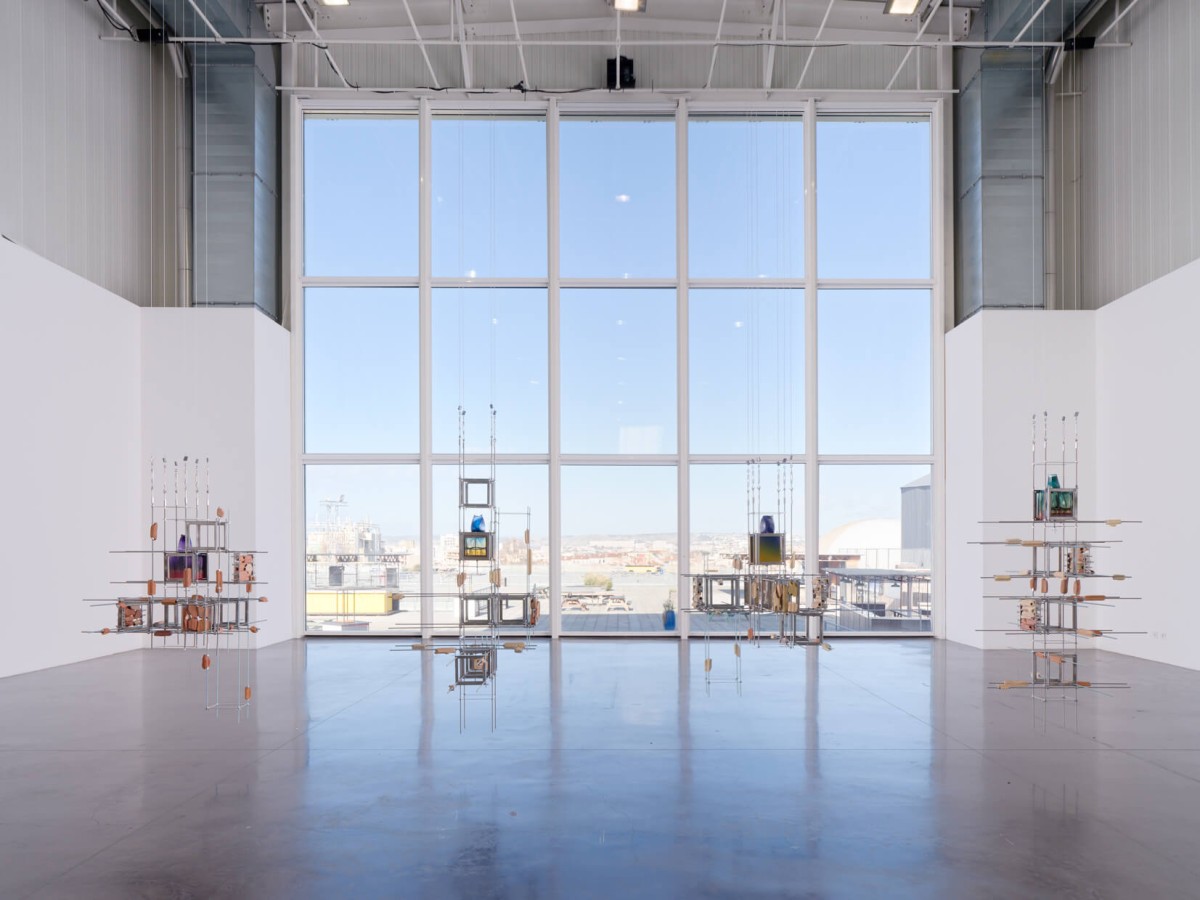
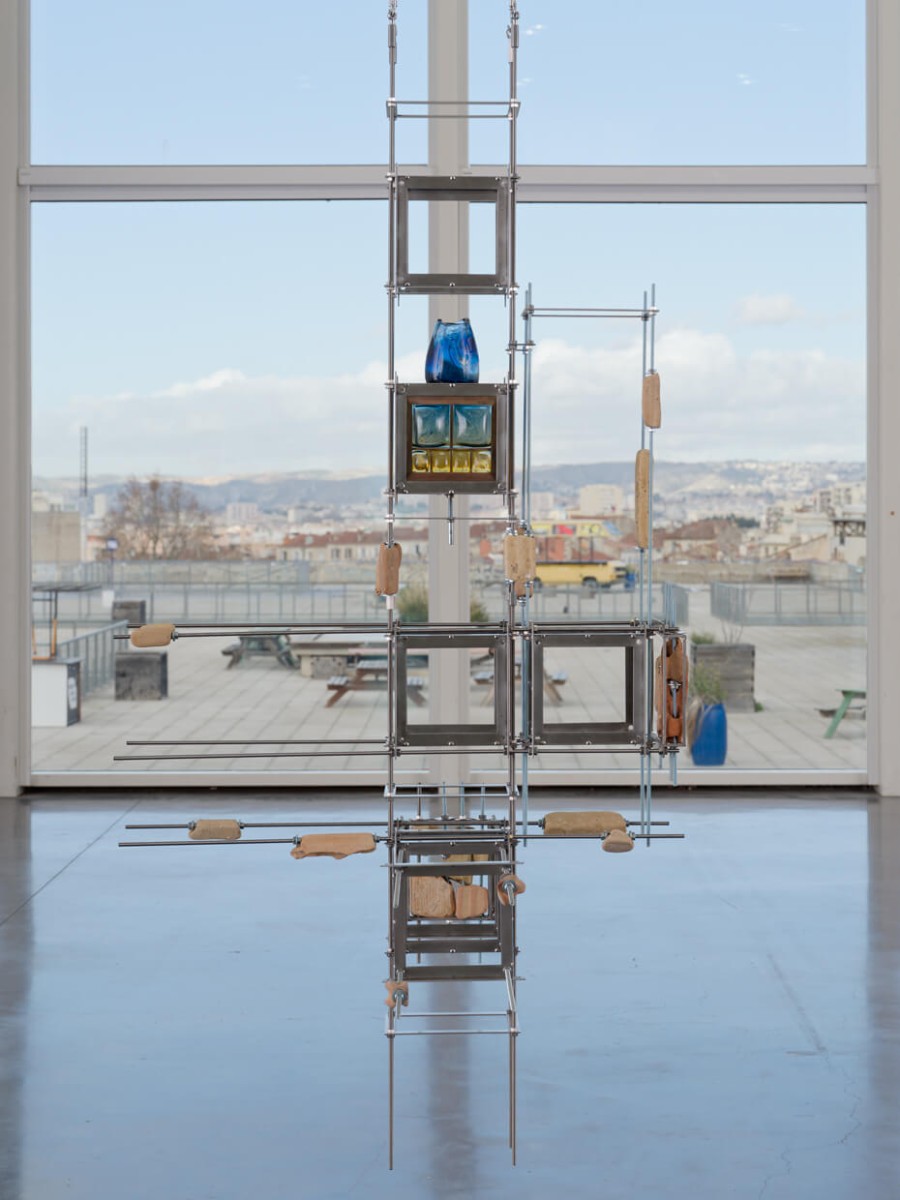
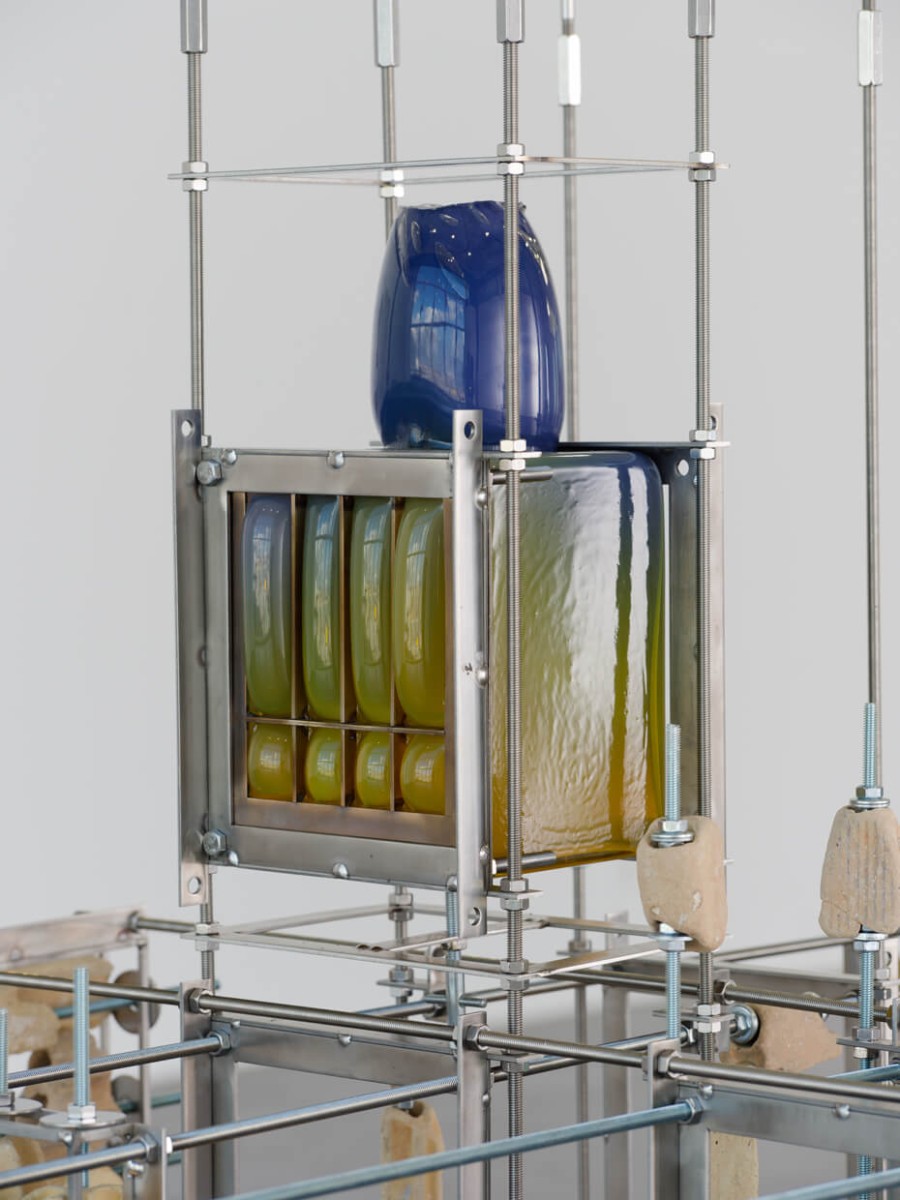
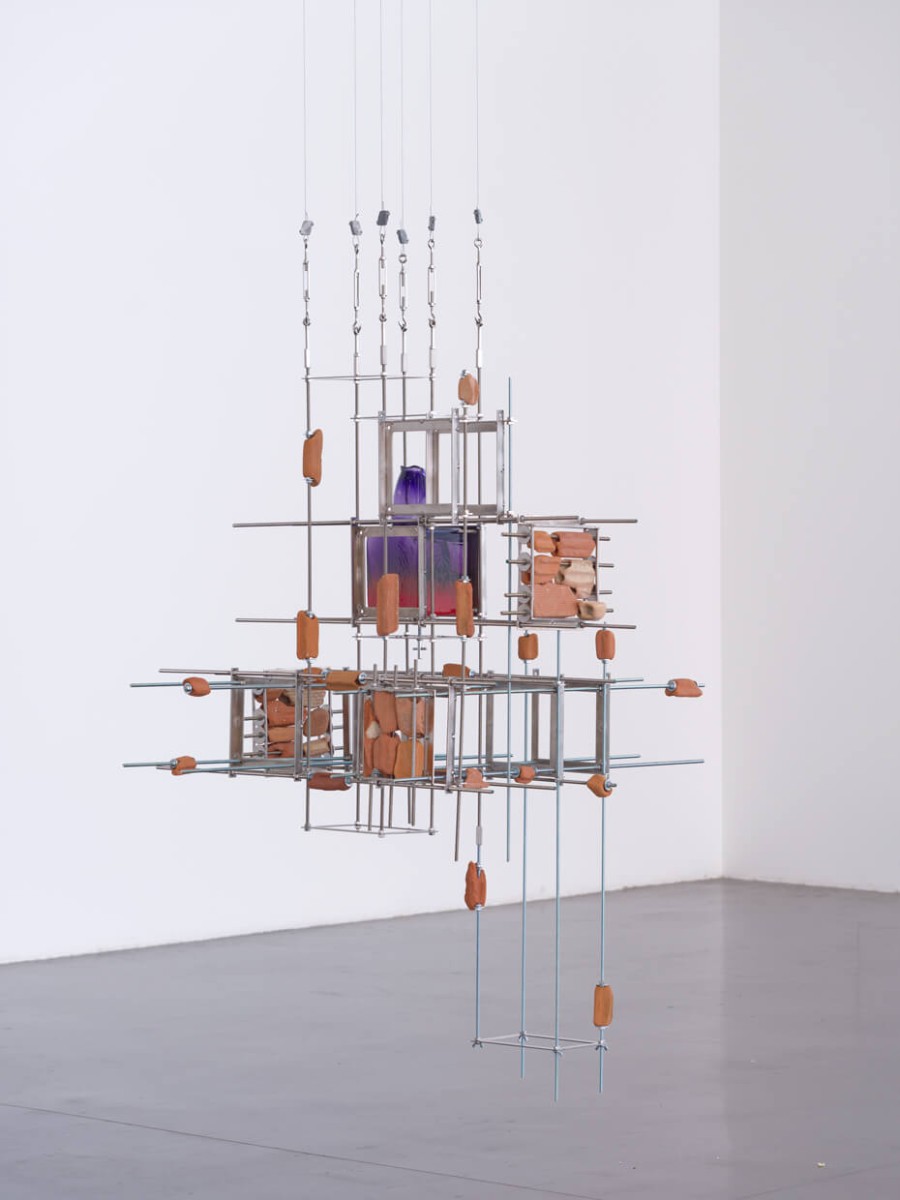
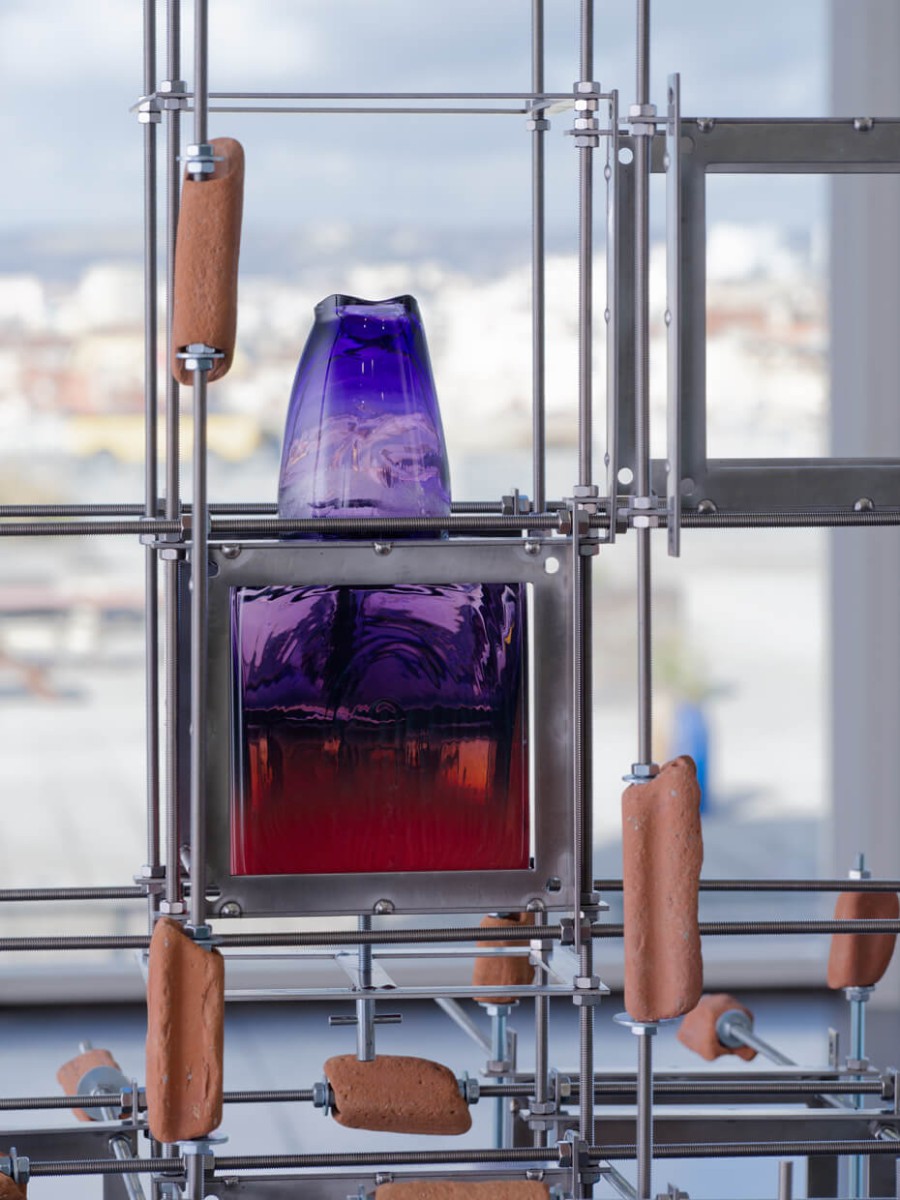
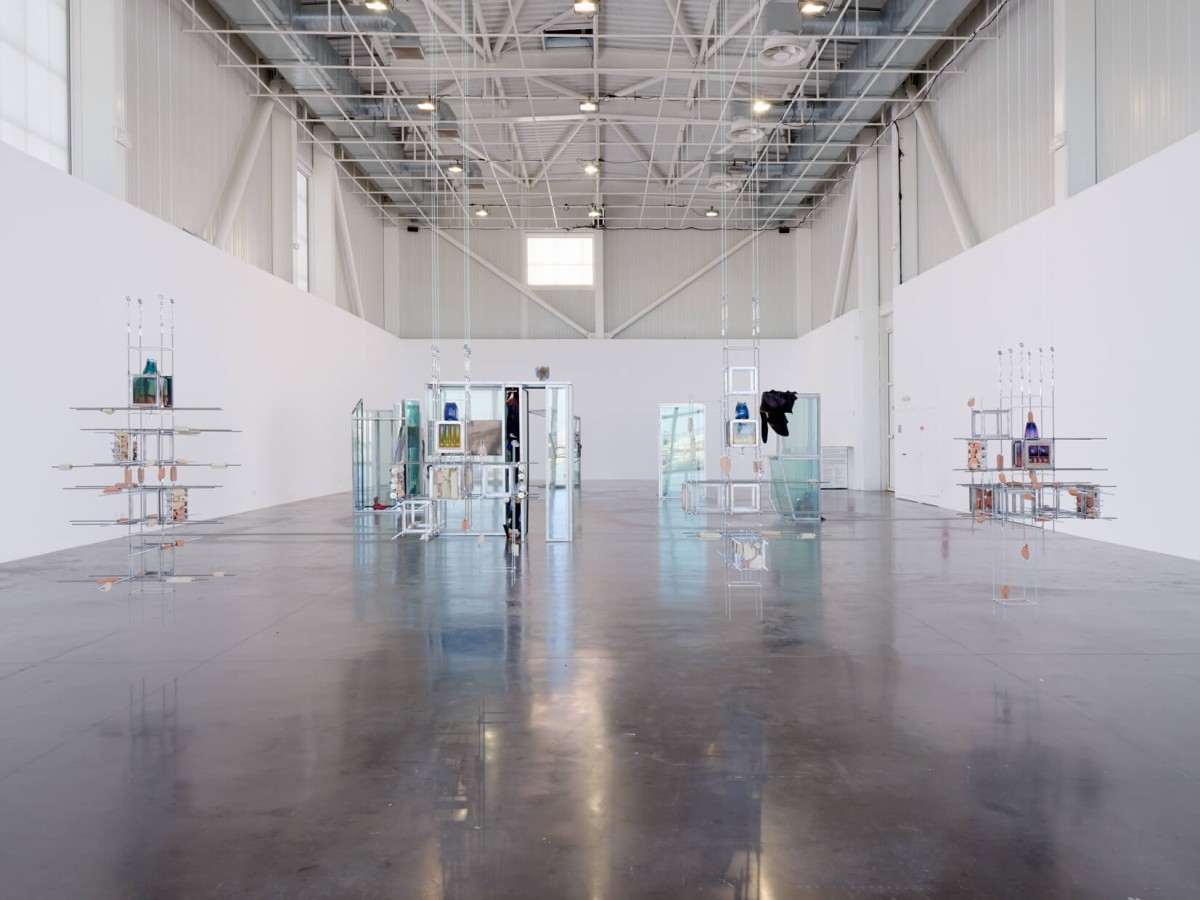
Invited to conceive a double solo exhibition between Marseille and Avignon, her first institutional presentation in France, artist Agata Ingarden imagined the two installations as “two different atmospheric conditions under which we’re actually looking at the same project.”
While the exhibition at the Collection Lambert in Avignon is placed under the sign of moonlight and darkness, the works brought together at Triangle-Astérides—all made of glass and playing with the idea of transparency, both literal and metaphorical—on the contrary invite the gaze to infiltrate everywhere, pushing the scopic drive to its paroxysm. Au grand jour, out in the open, before everyone’s eyes: “Glass create distances while giving the impression that it reduces it. Everything only seems to be visible.”
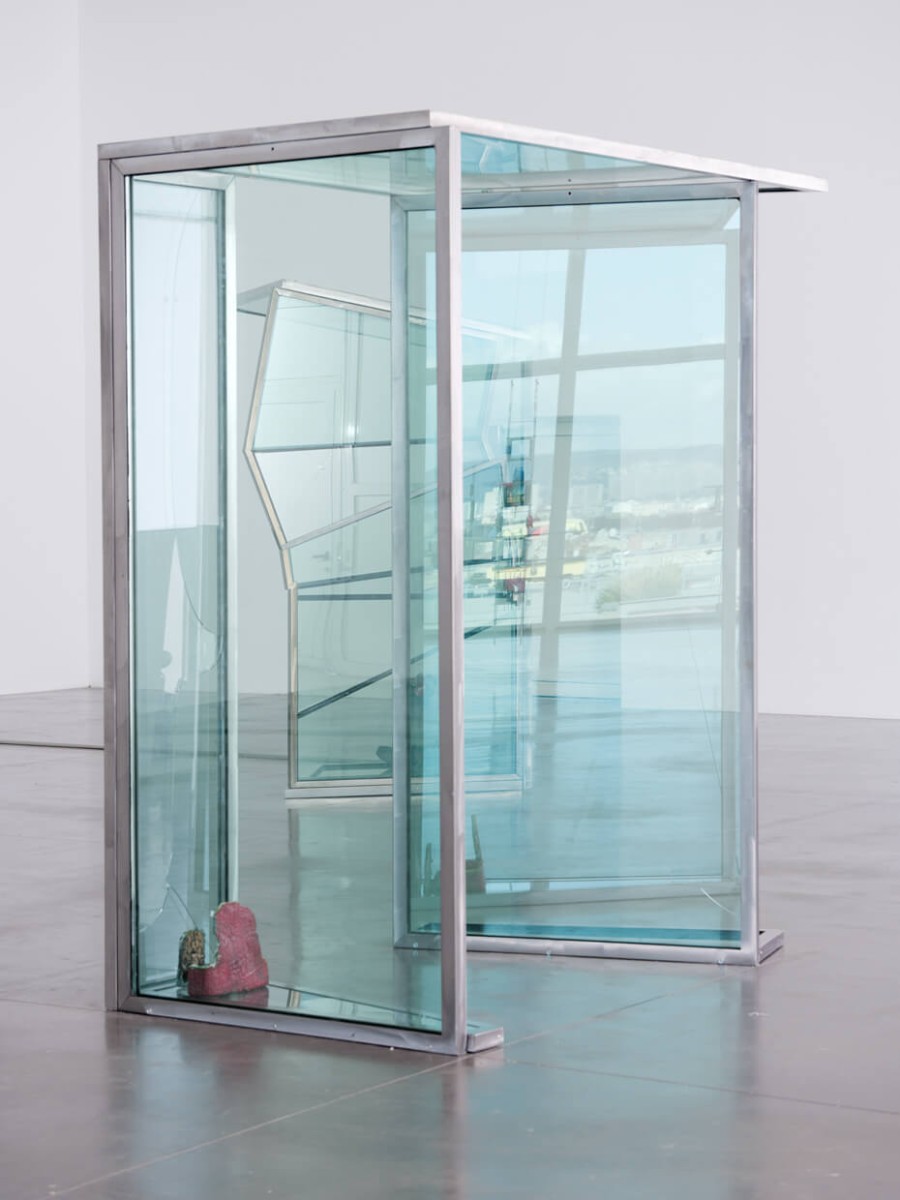
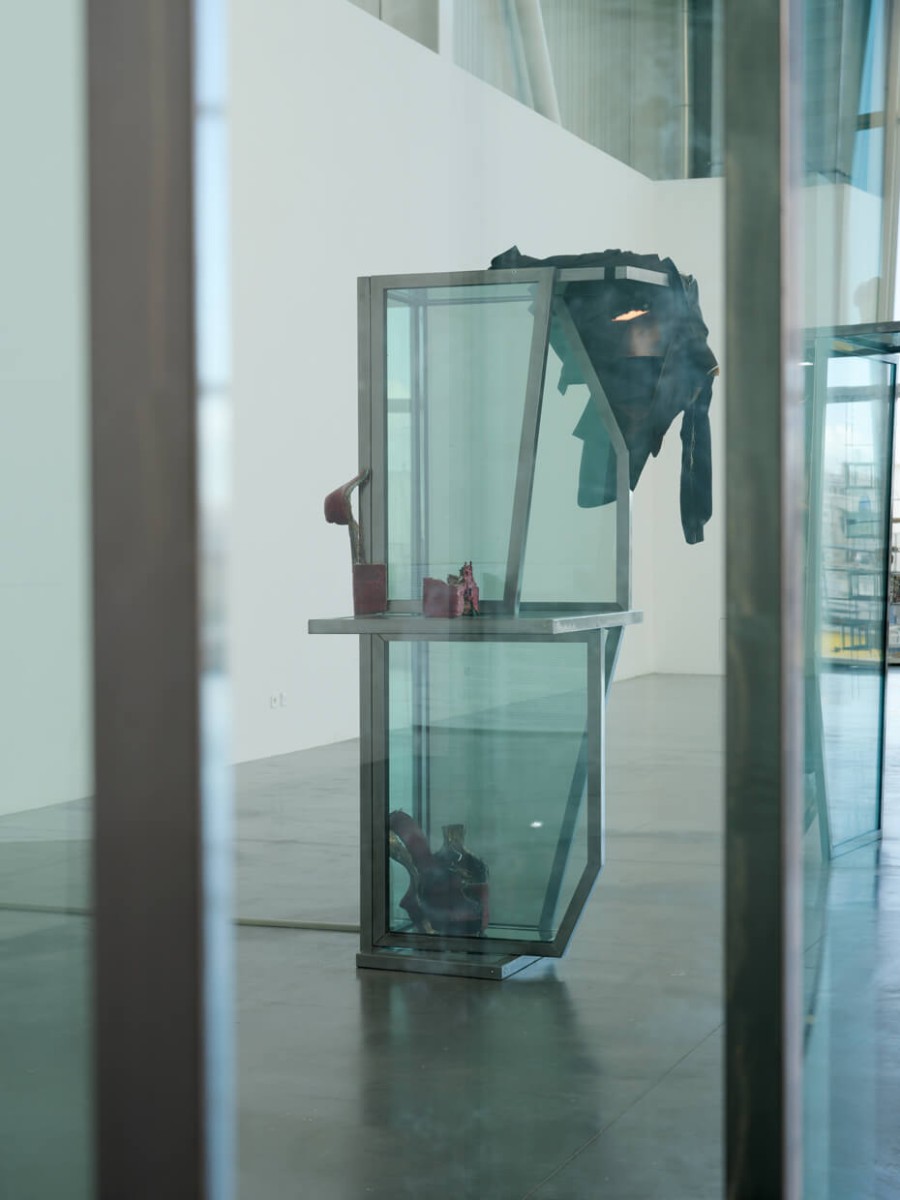
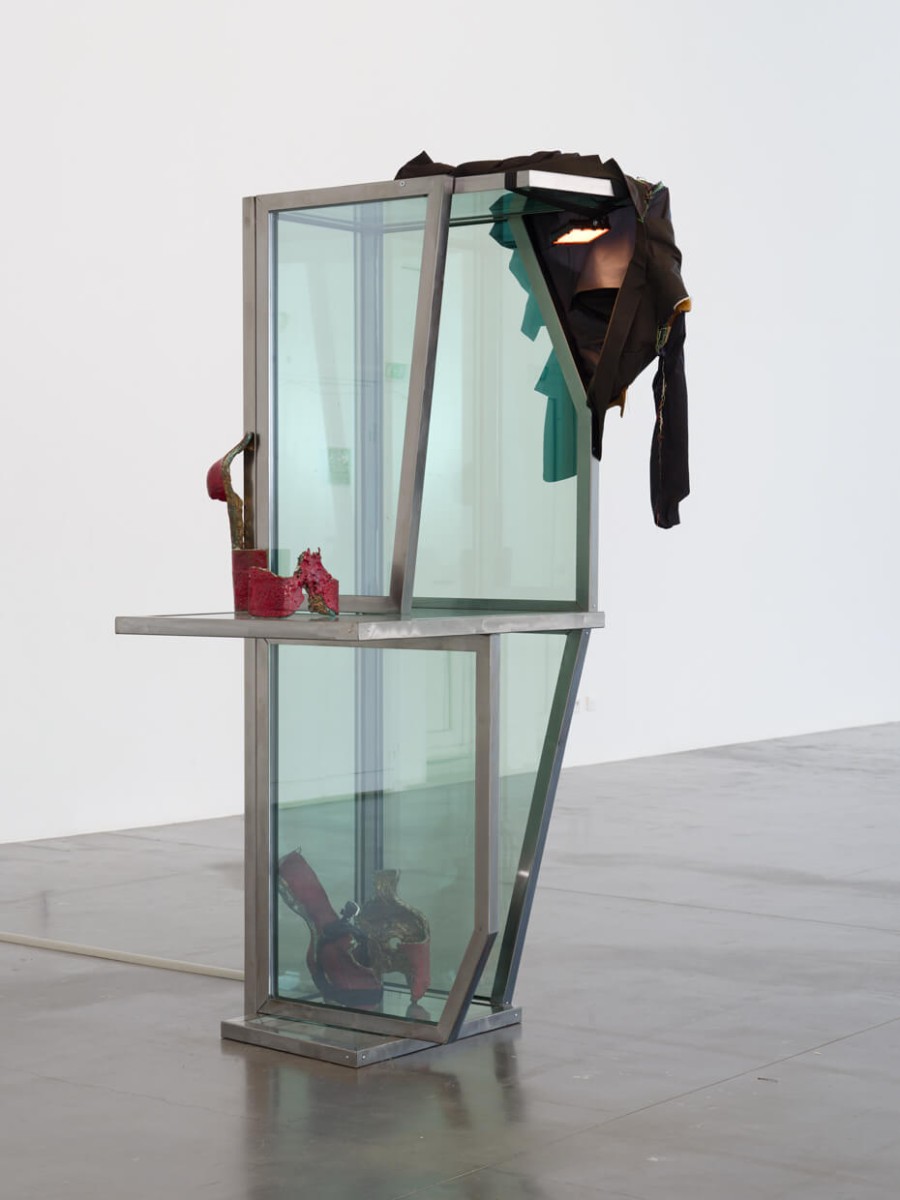
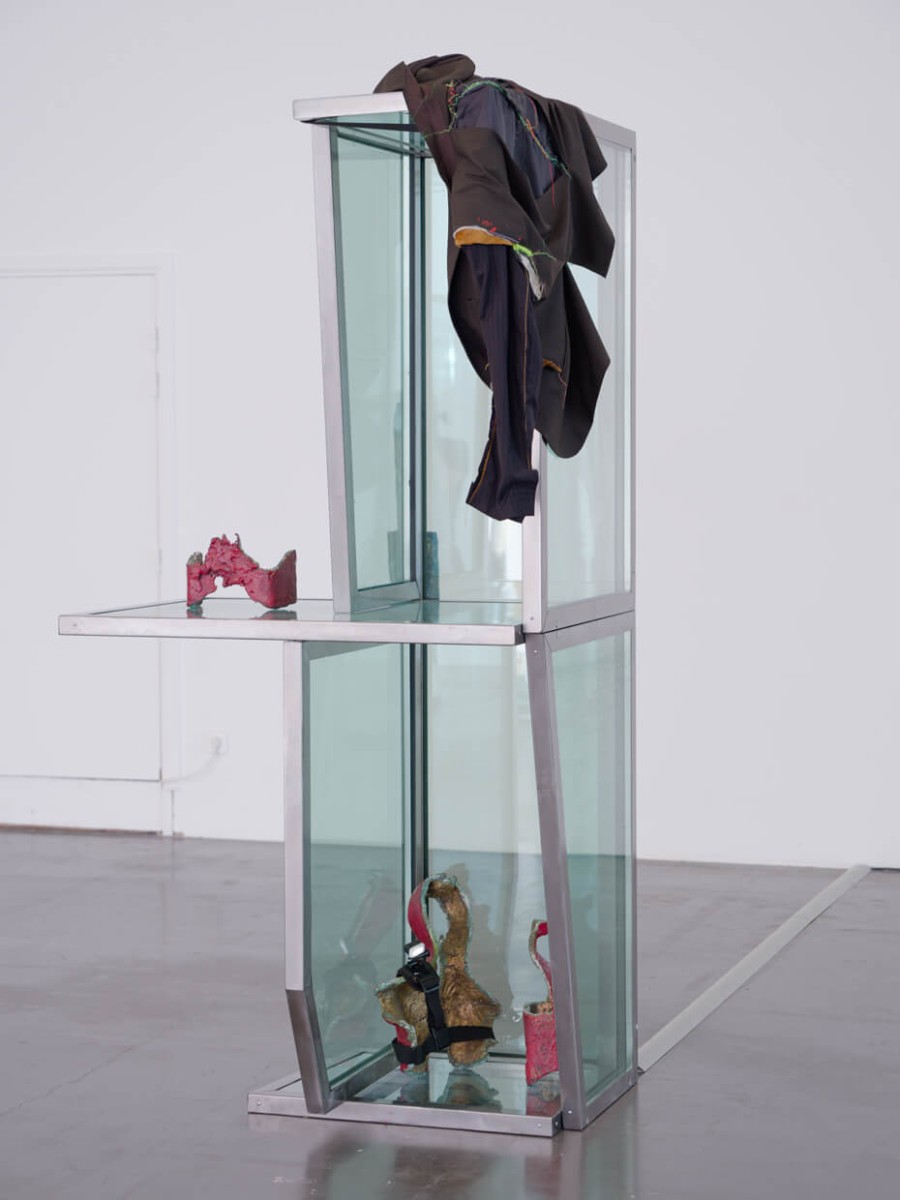
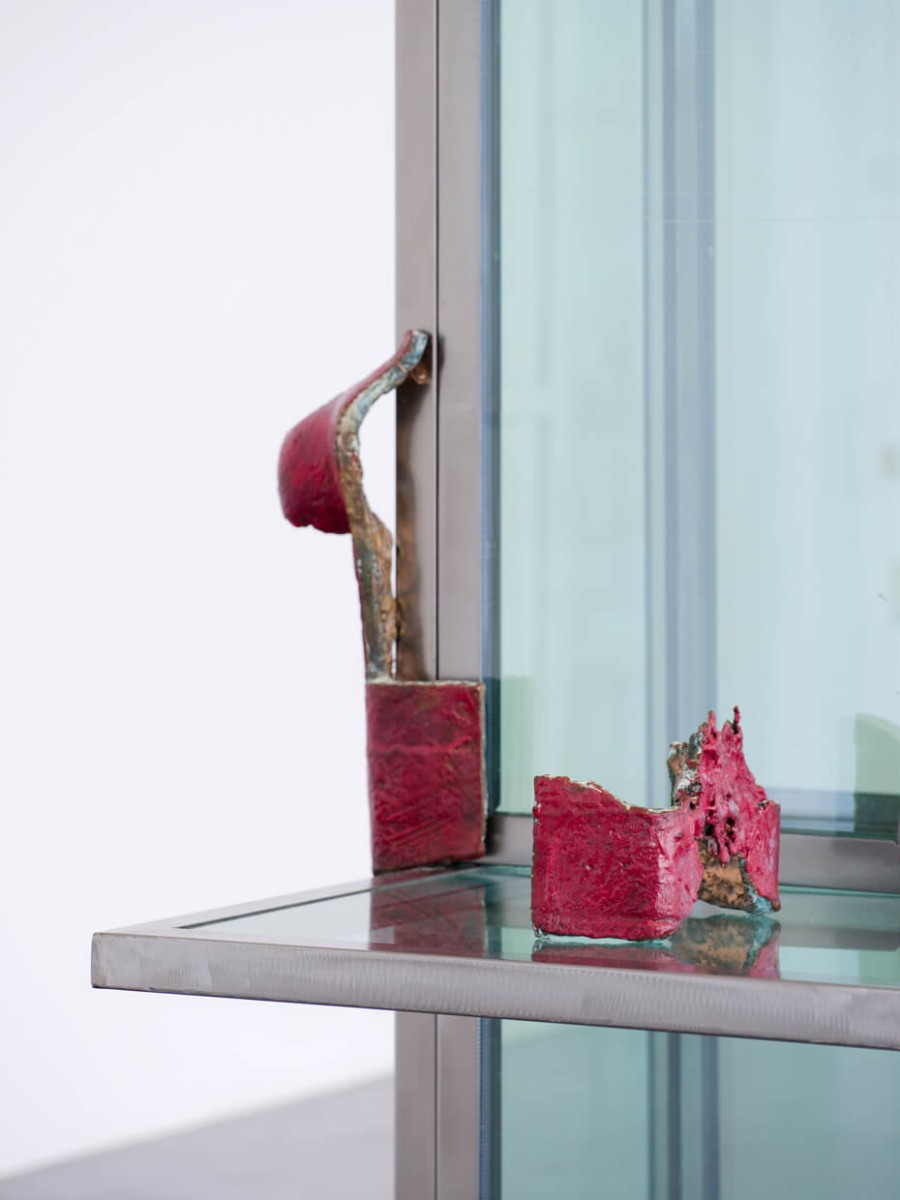
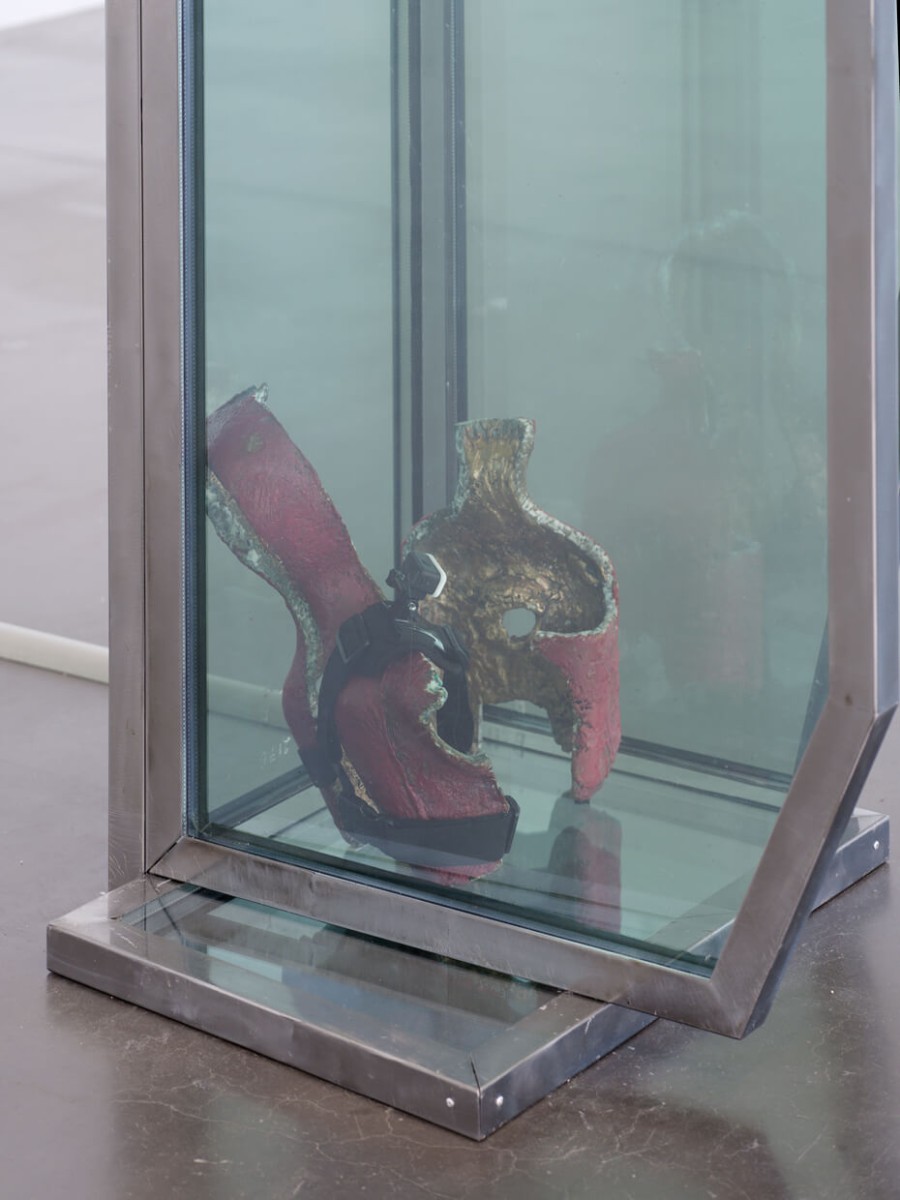
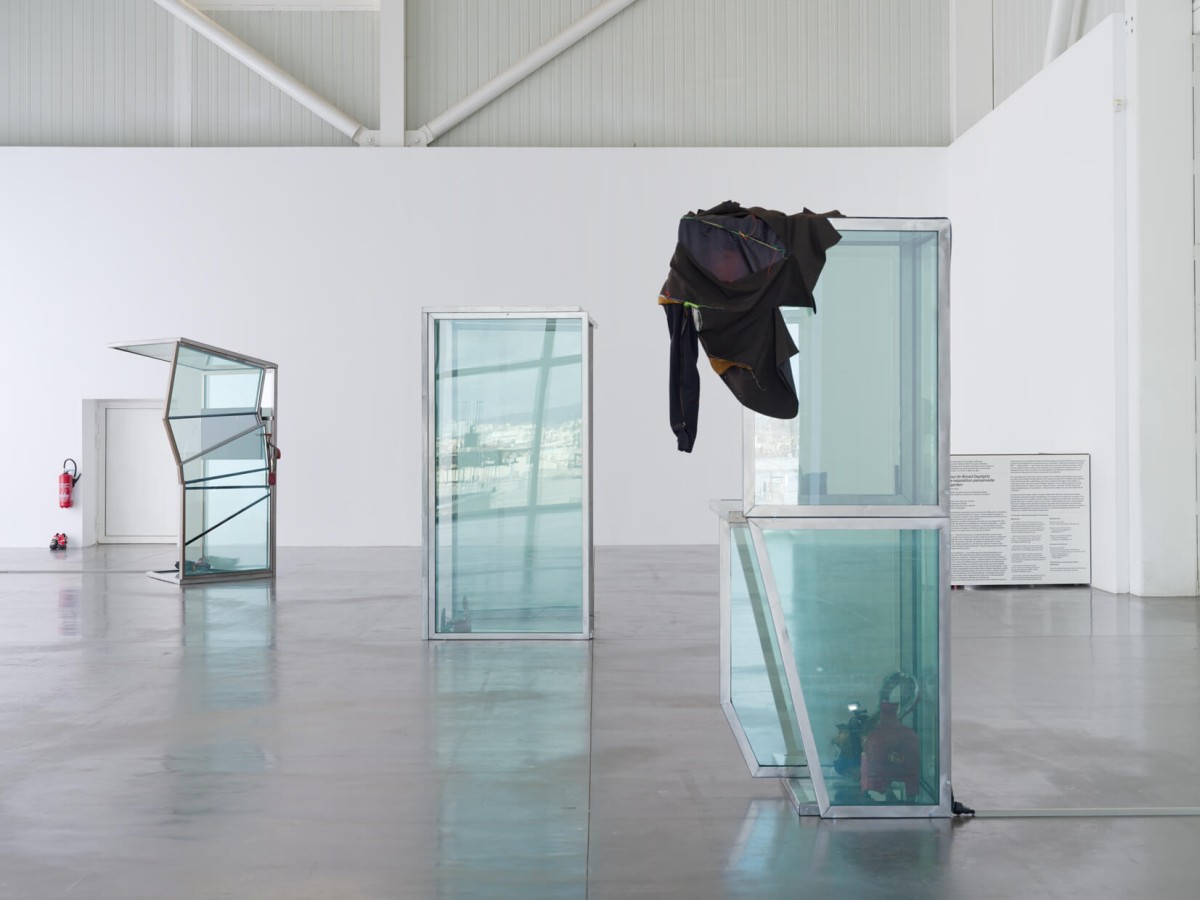
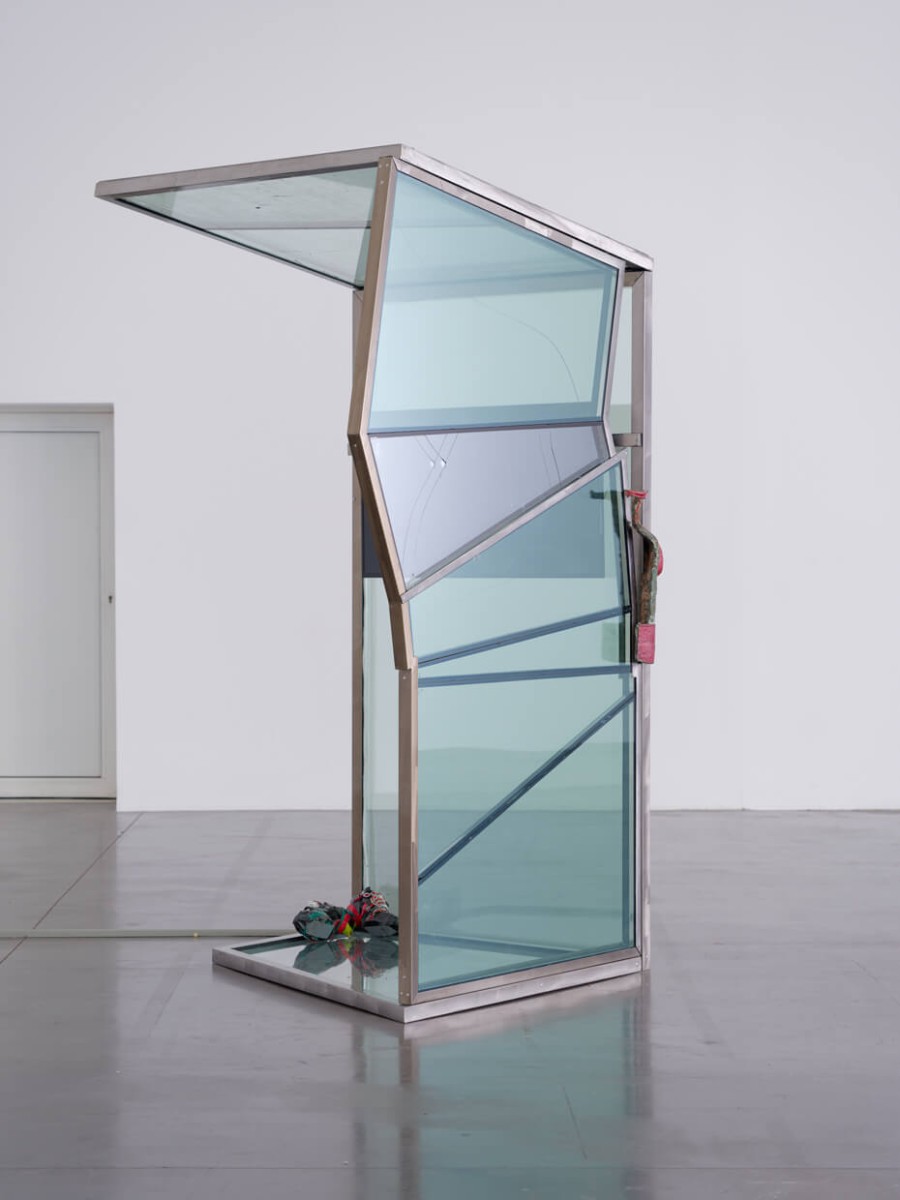
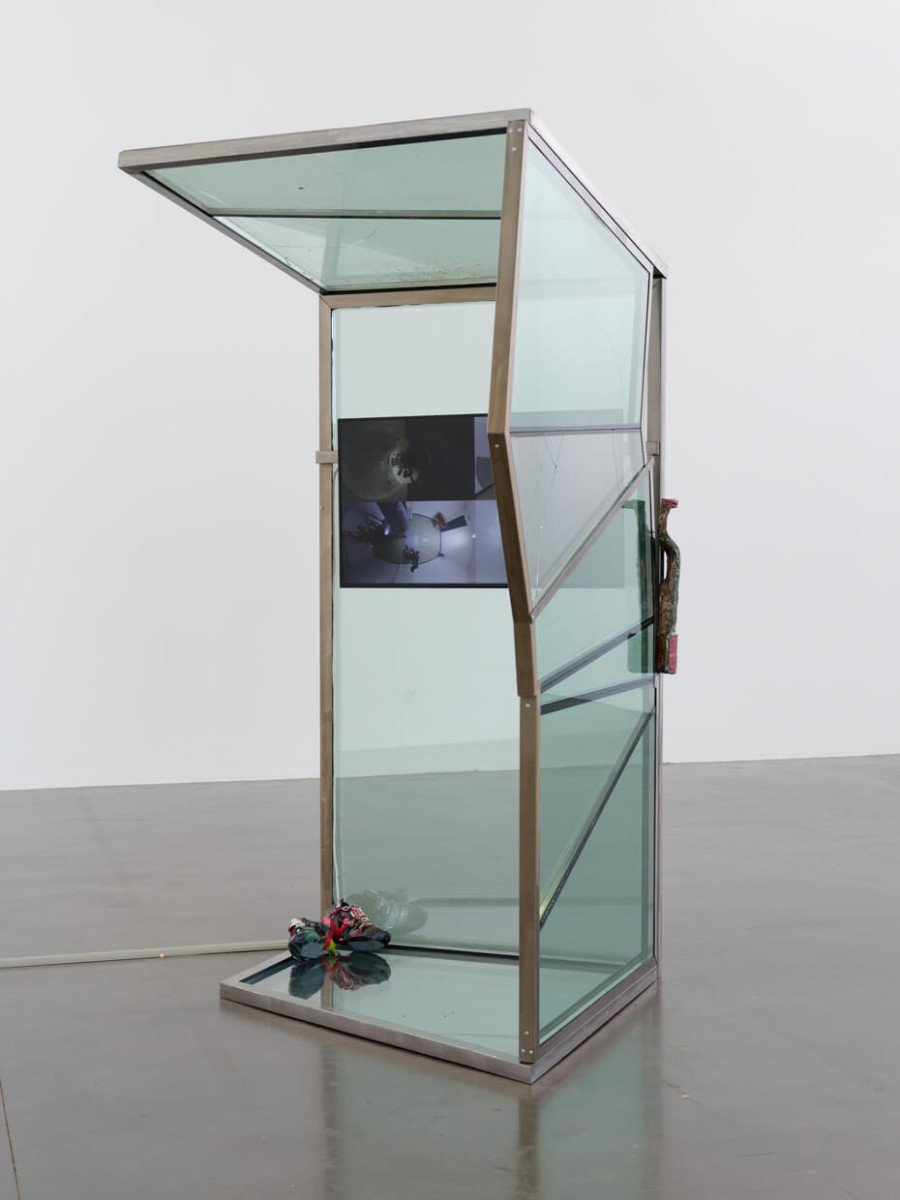
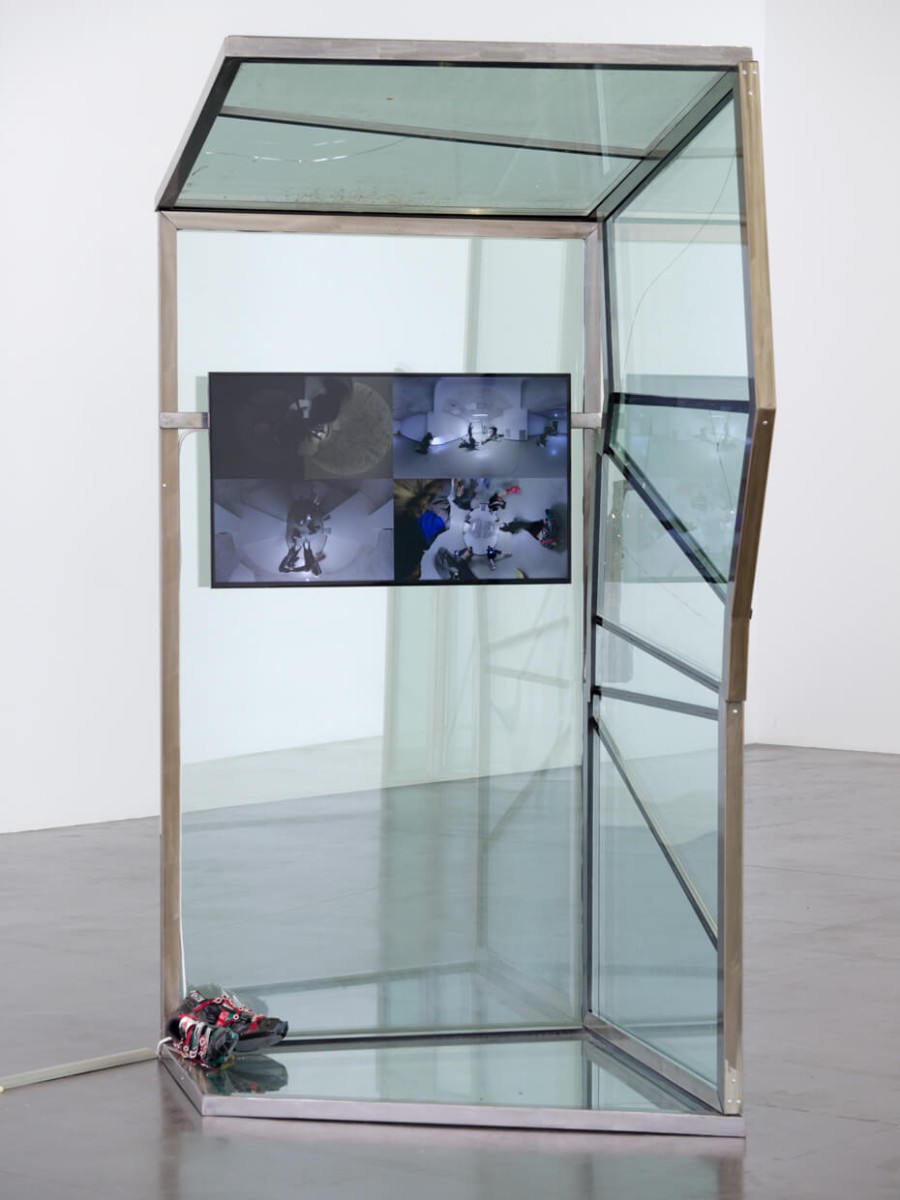
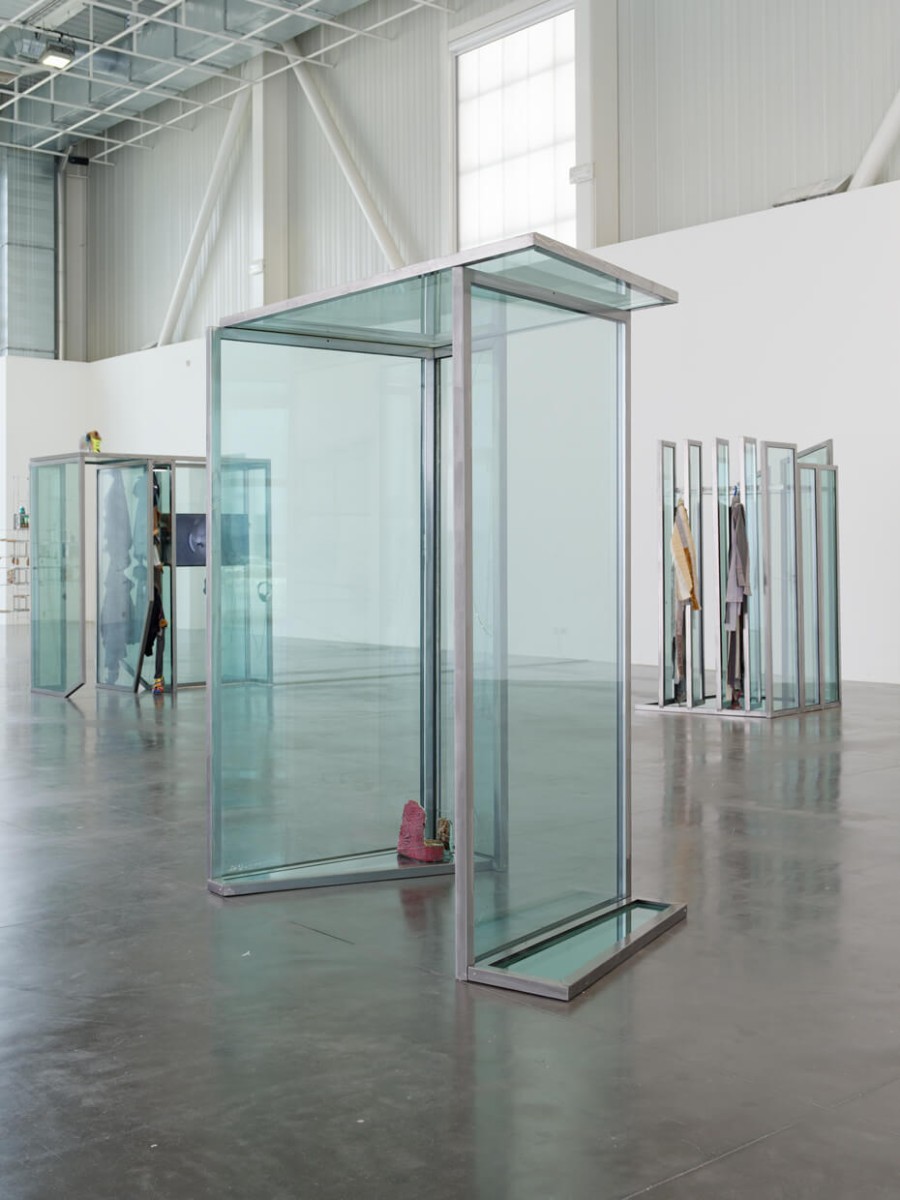
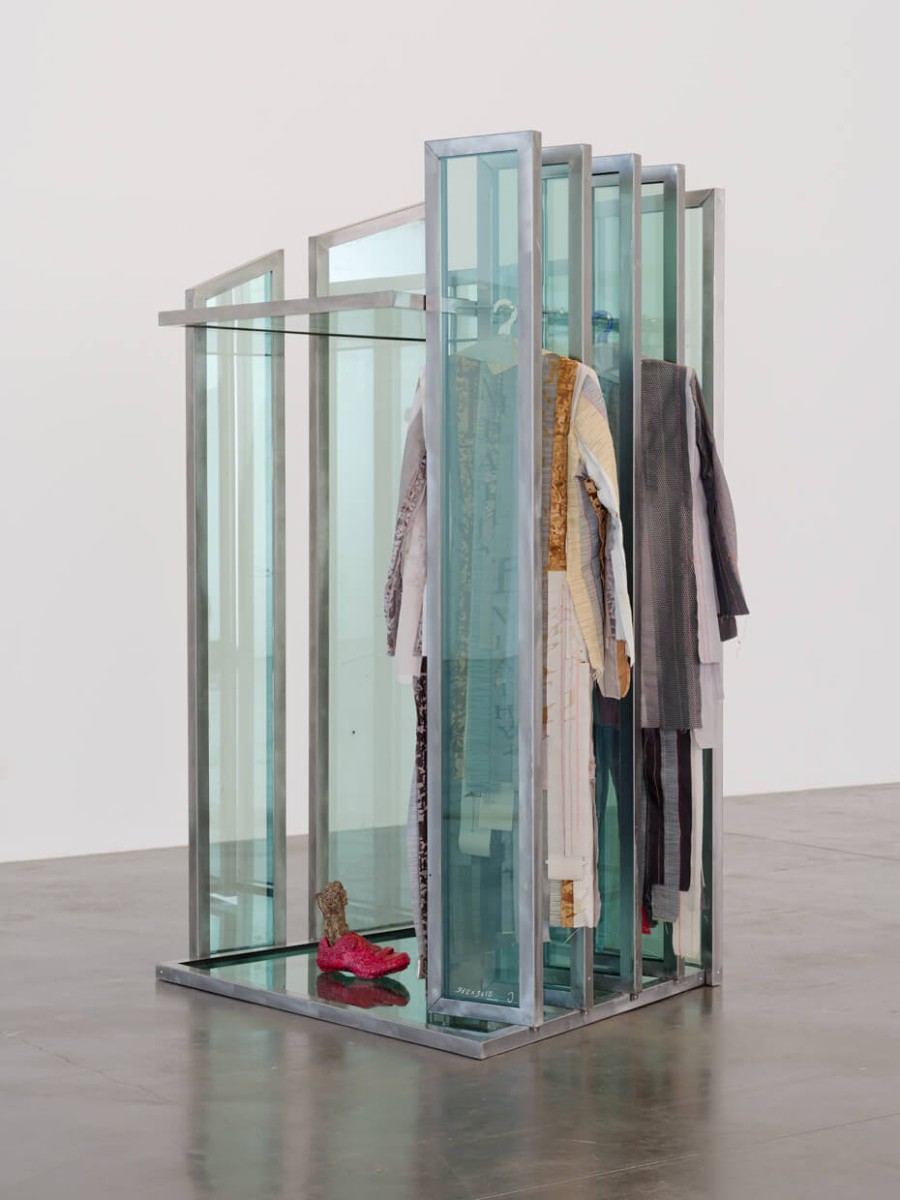
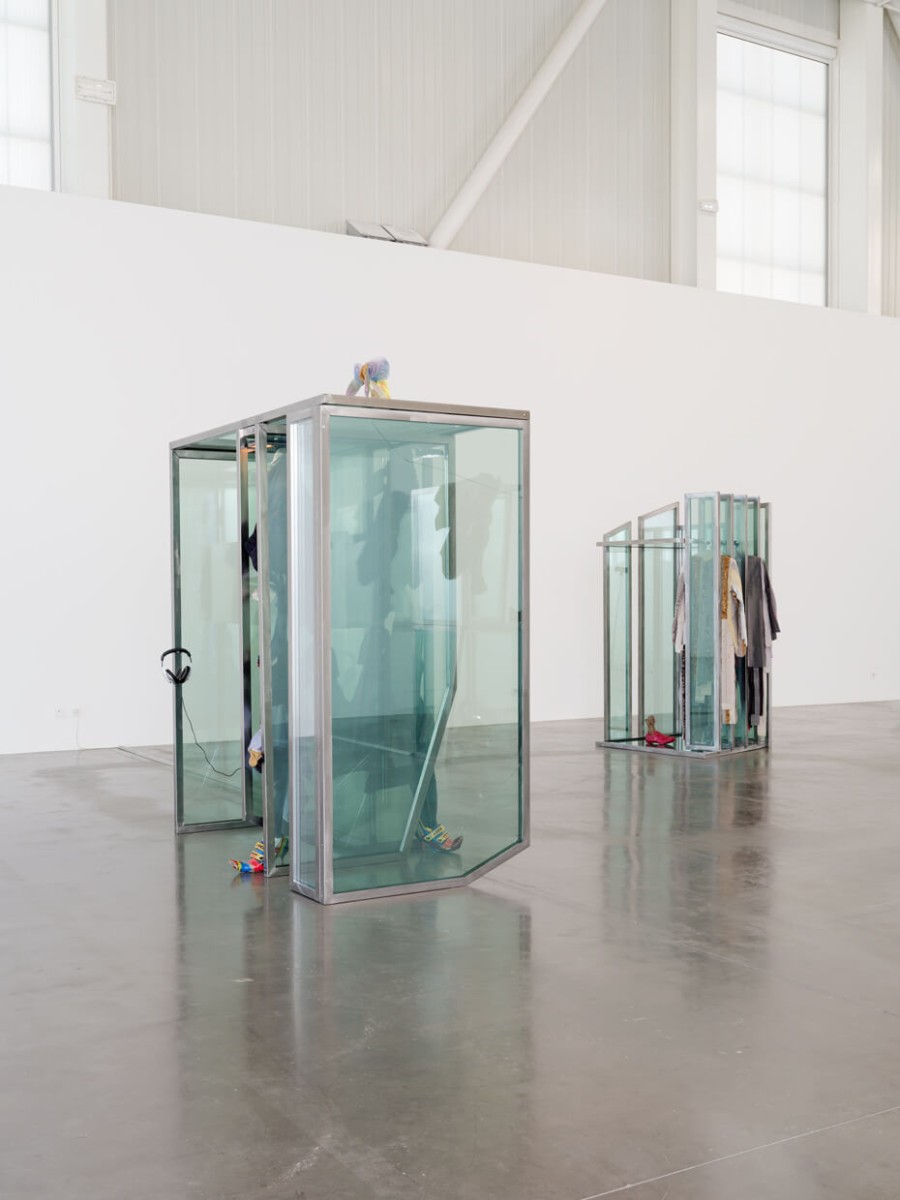
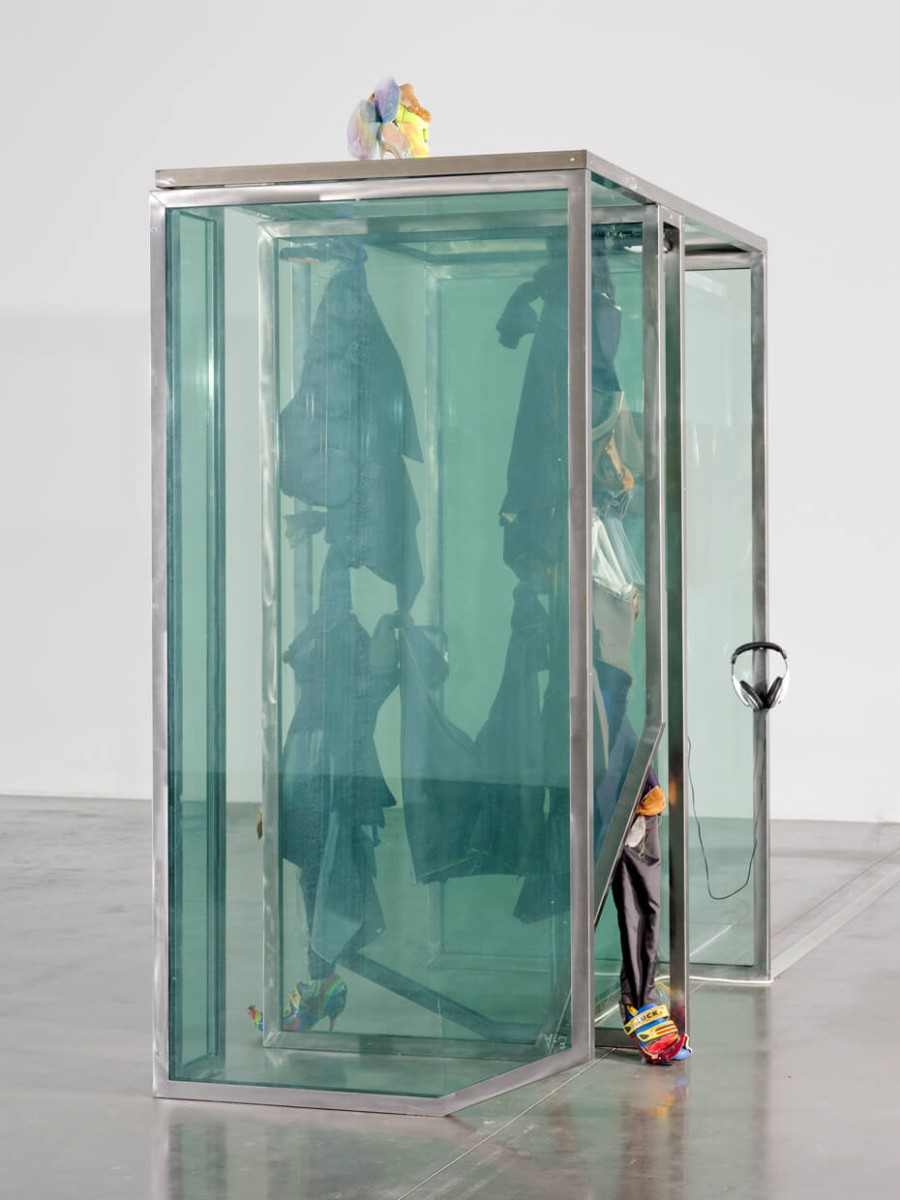
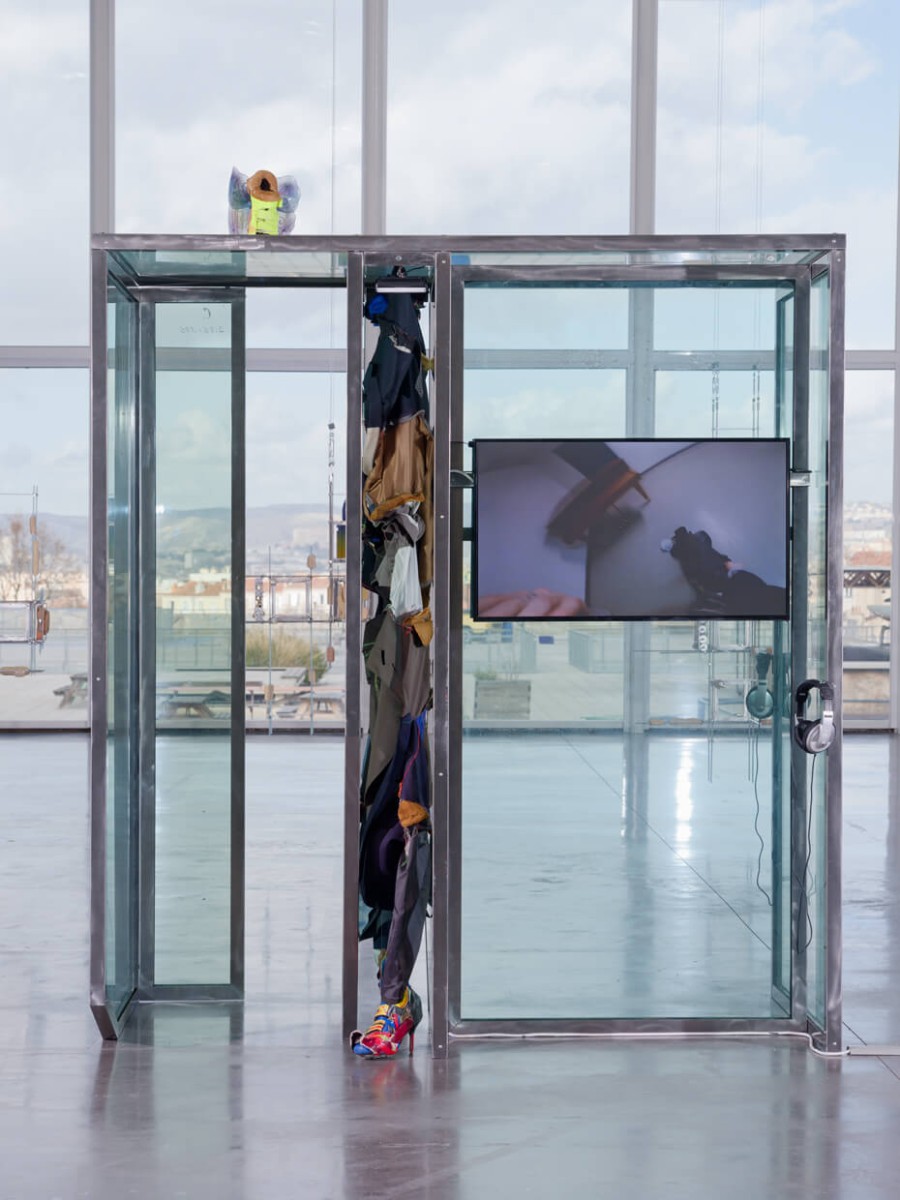
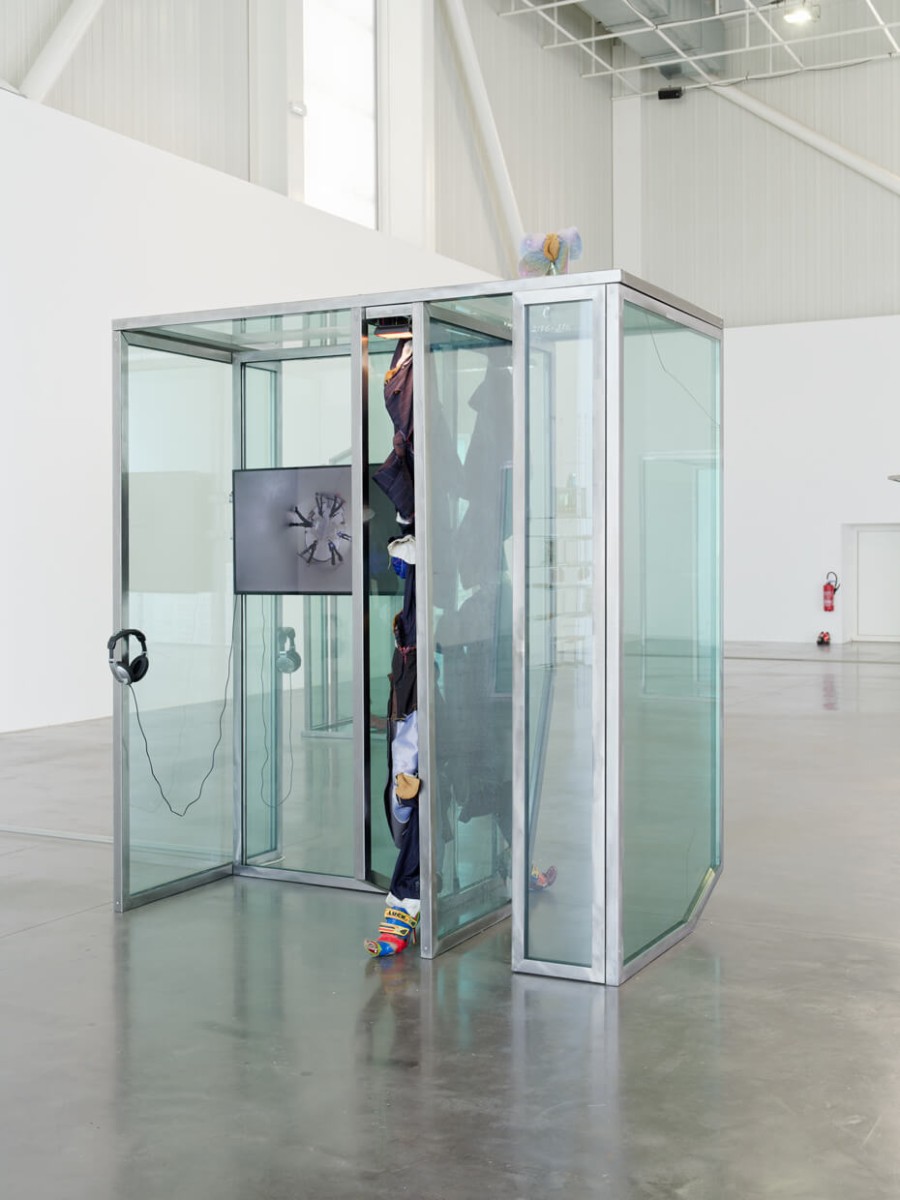
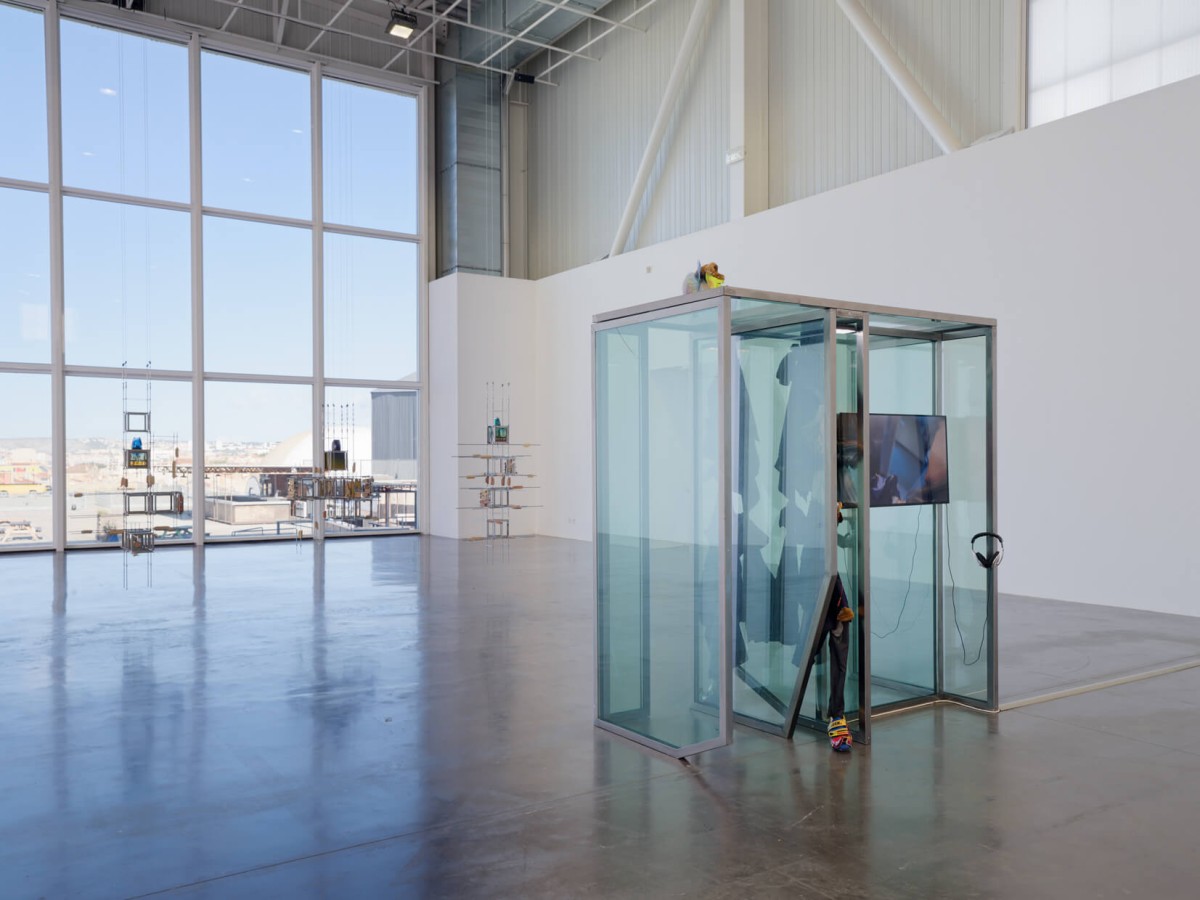
In-corporate Elevator 1 – The Portal stands facing the entrance door of the Panorama exhibition space, like an invitation to cross a threshold from one world to another. The In-corporate Elevators series consists of five elevator-scale sculptures assembling large panes of glass, remnants of an office building in Kyiv, Ukraine, dismantled before the war. Agata Ingarden has preserved the signs of wear and deterioration of this bluish industrial double glazing: visible cracks, breaches, and muddy splashes of rainwater.
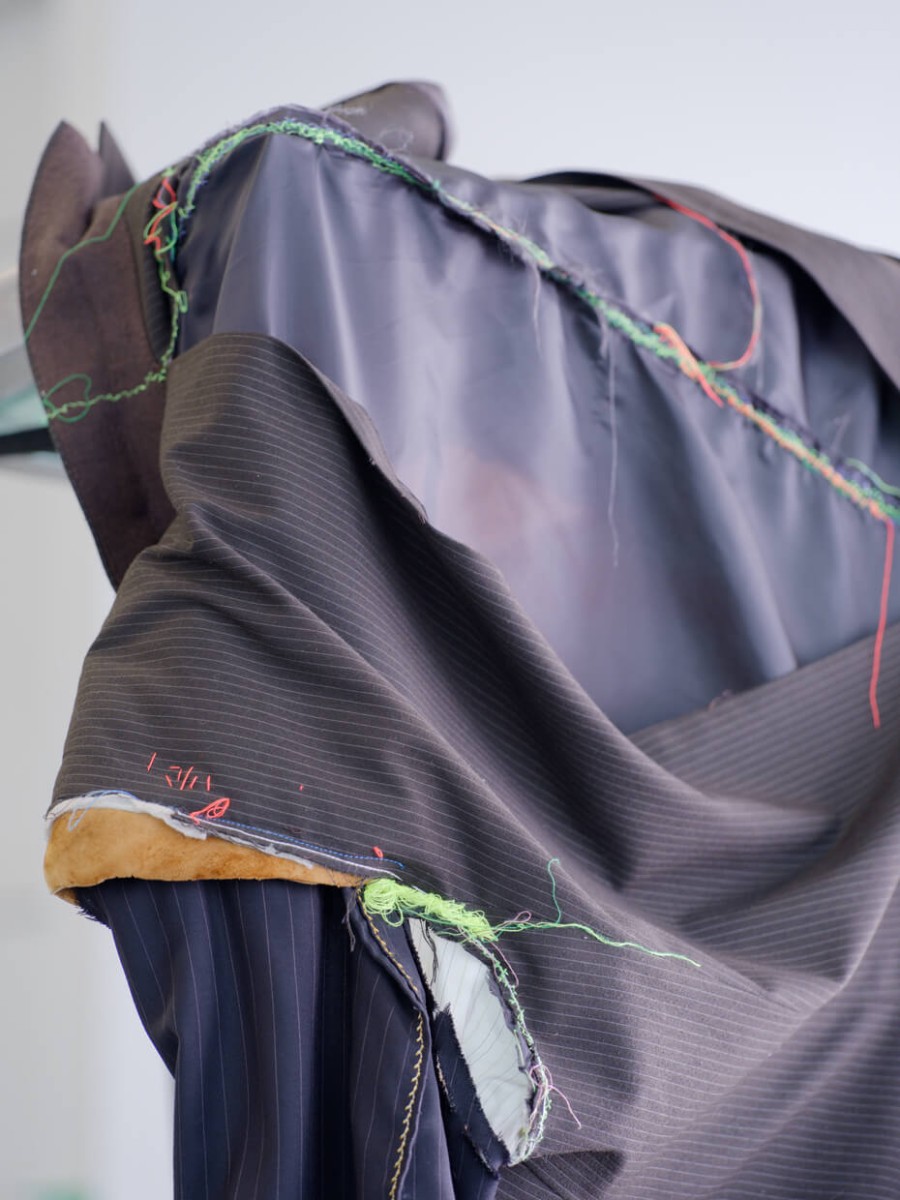
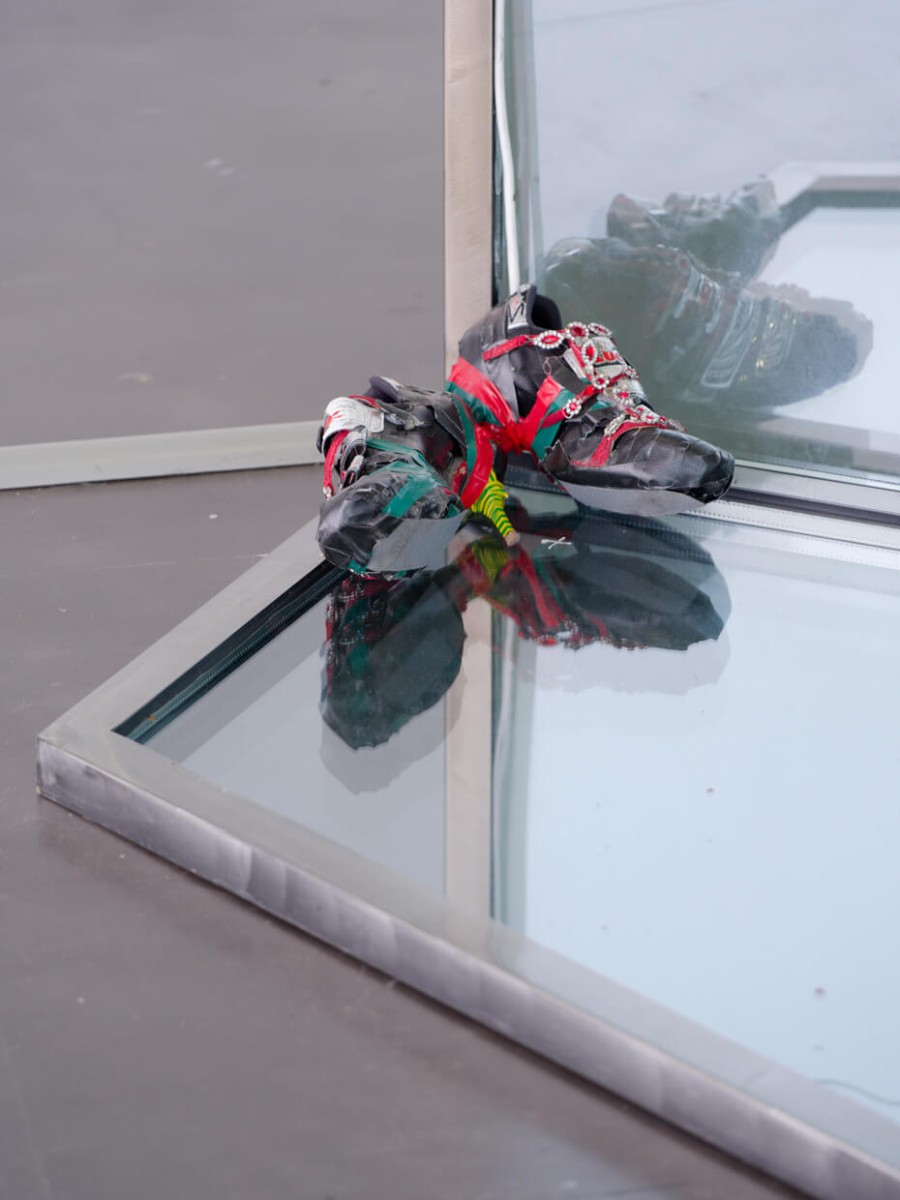
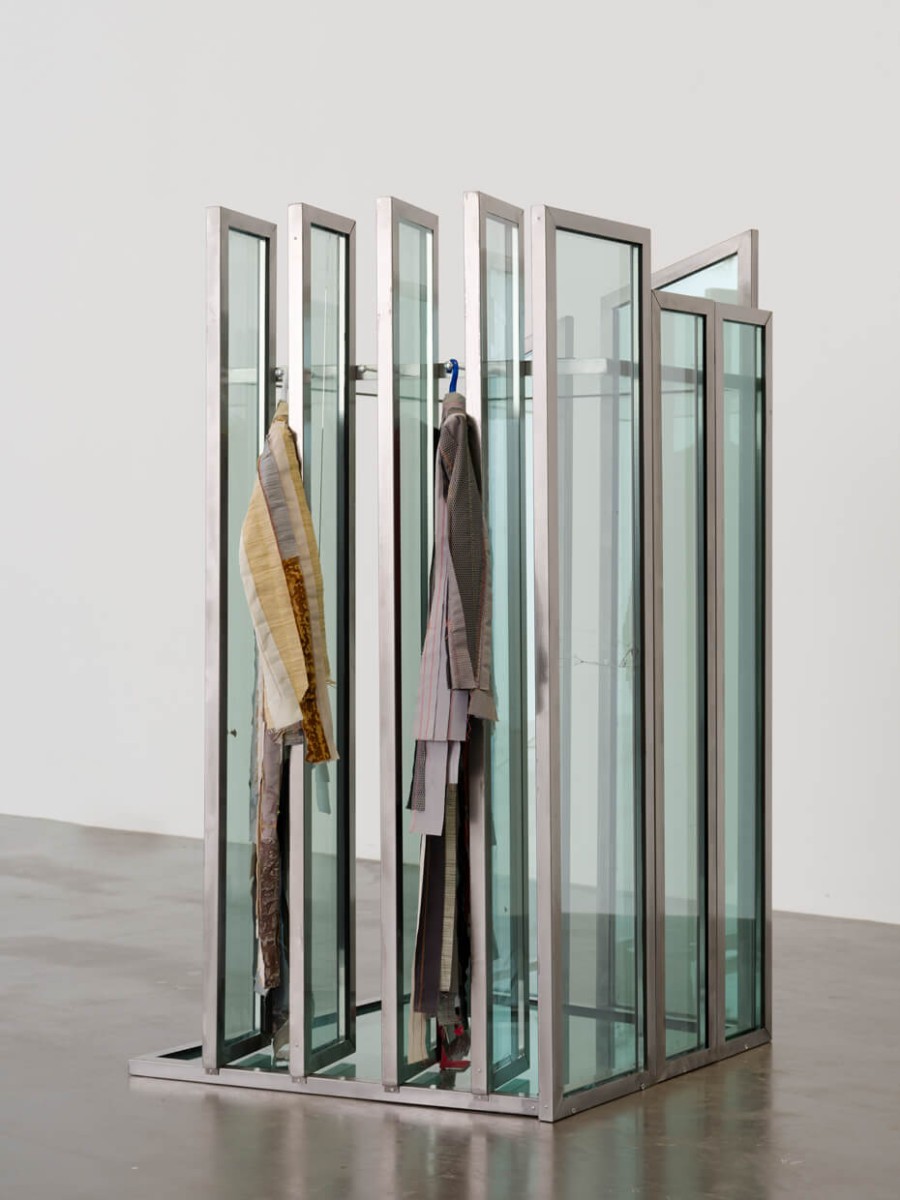
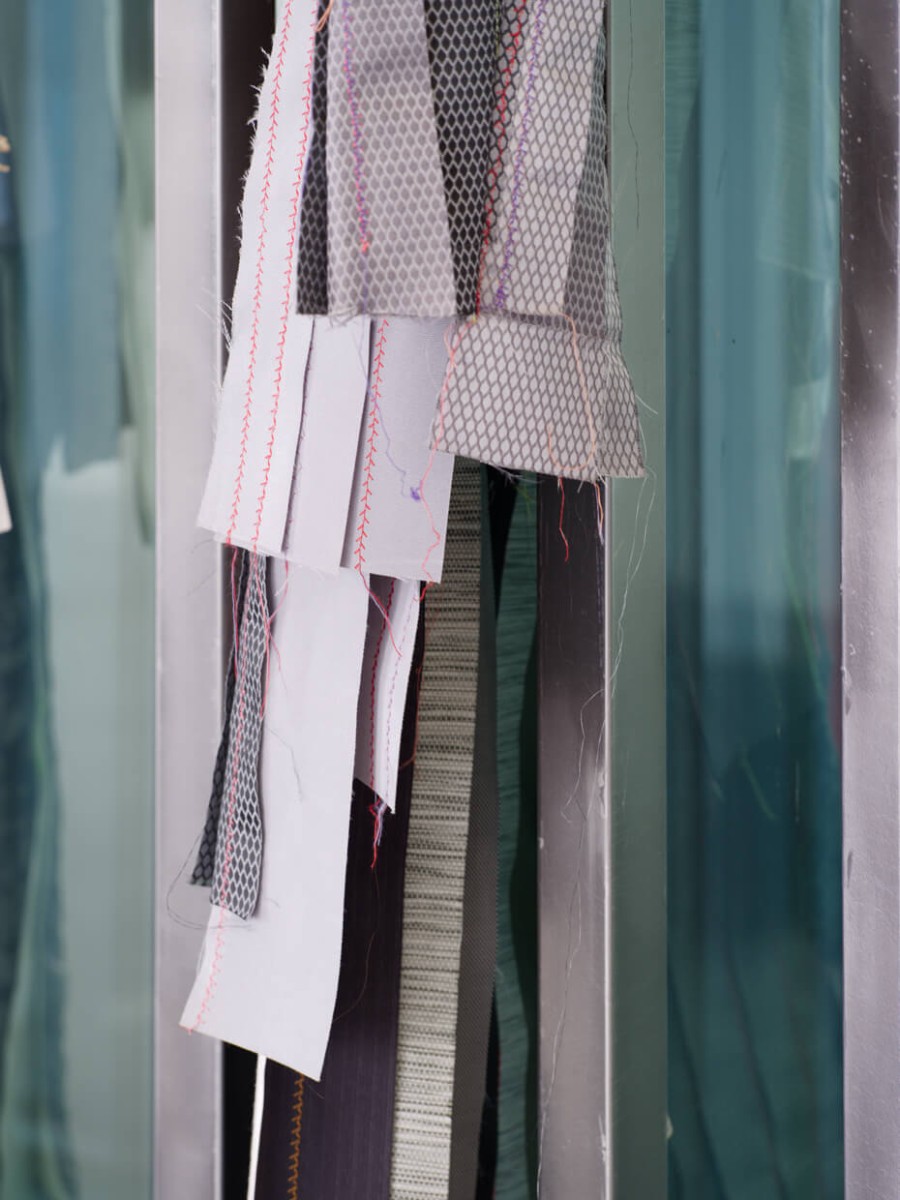
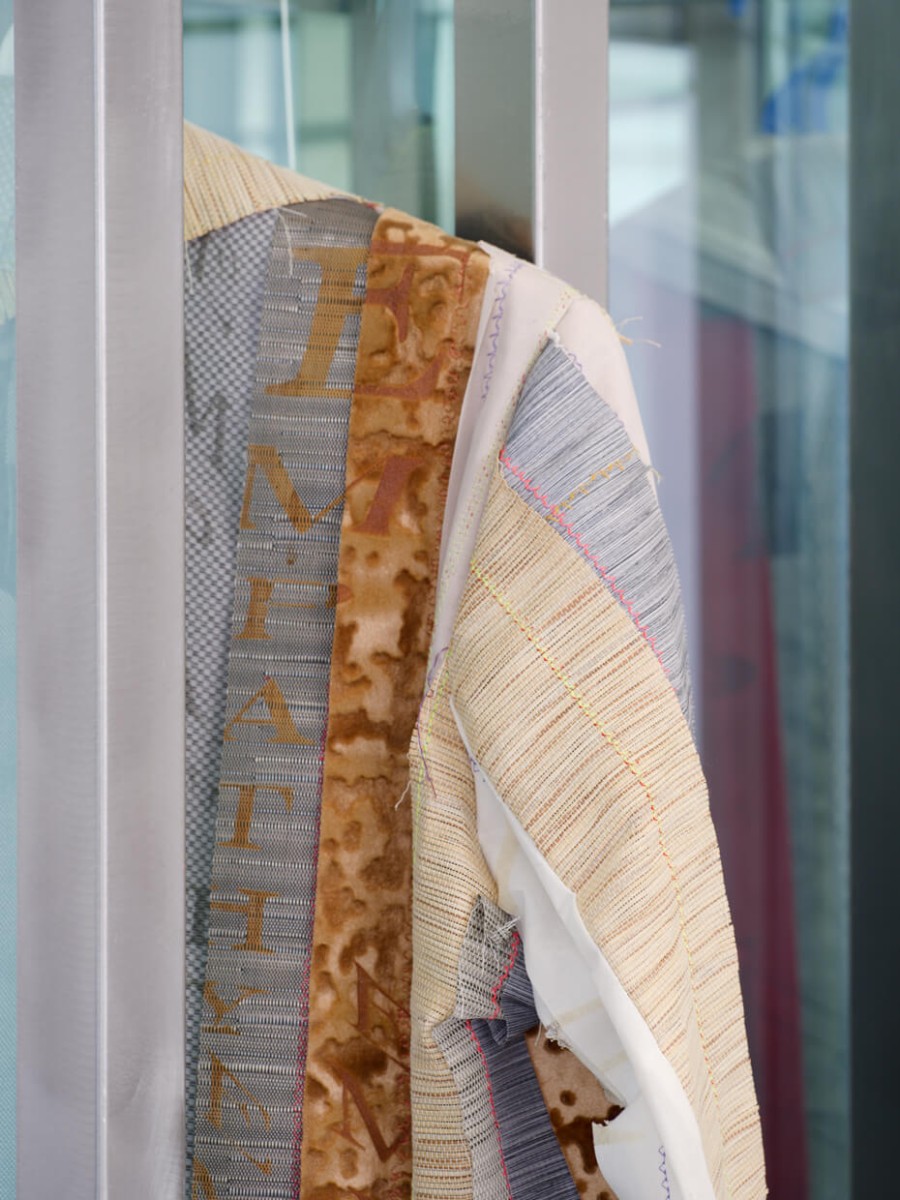
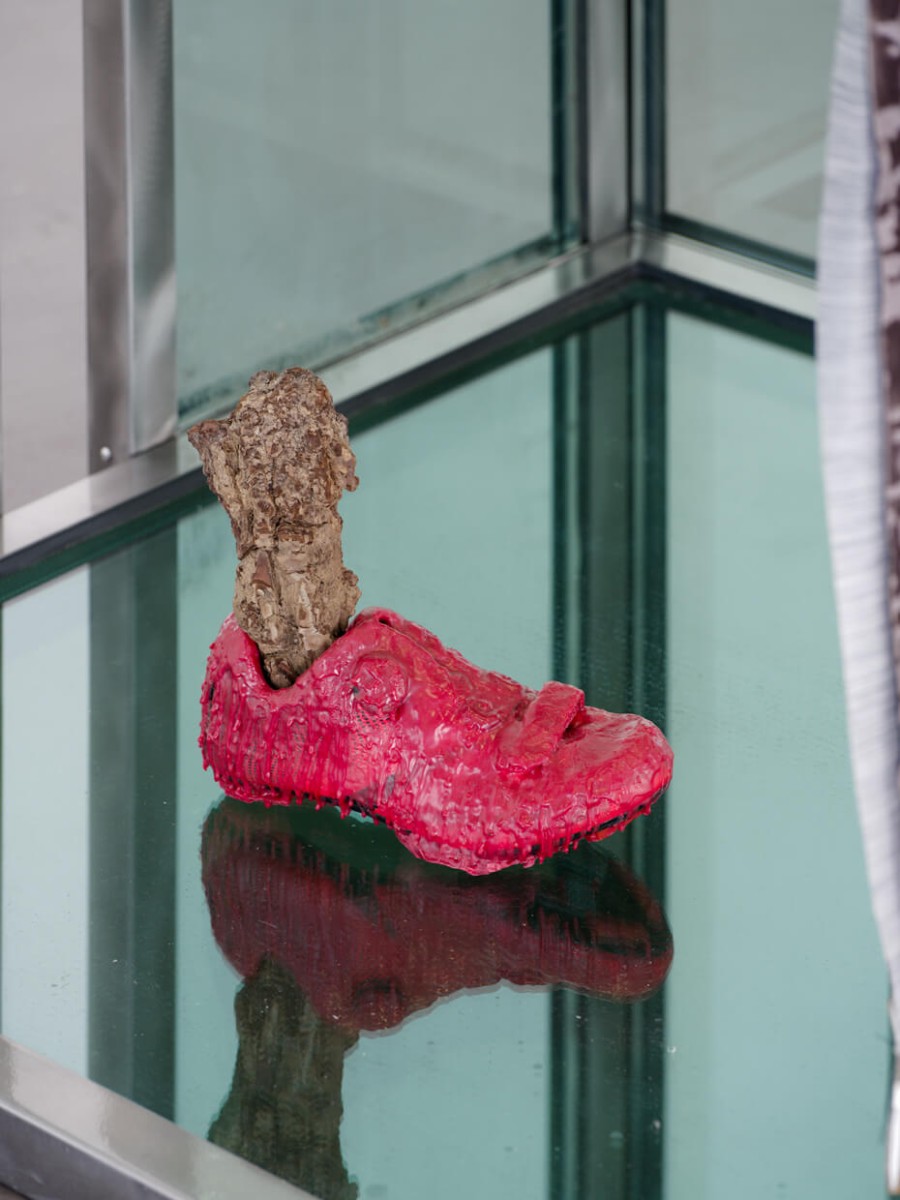
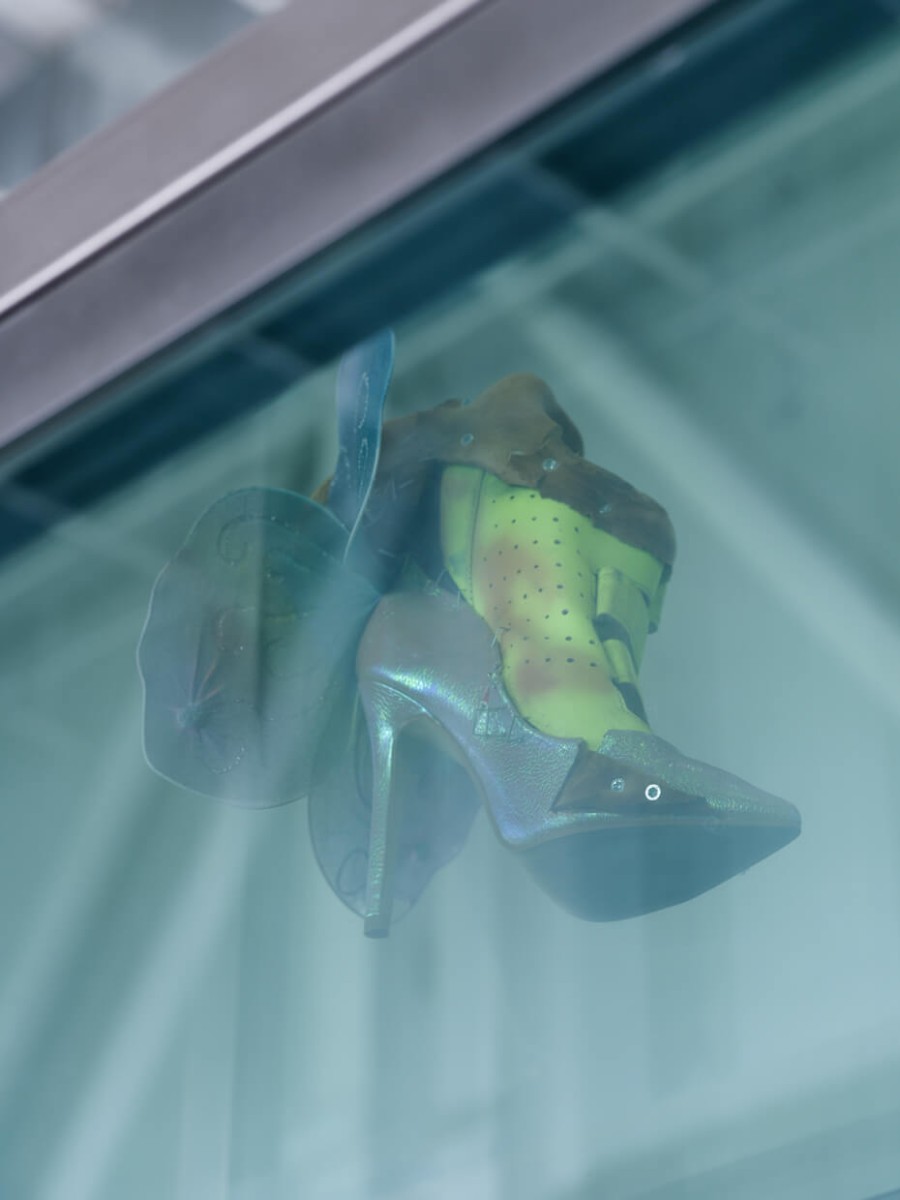
The artist considers these sculptures—like the five presented at the Collection Lambert, which are literally made from elevator parts—as “portals,” granting access to the enigmatic Dream House World. “Dream House is not a narrative in a sense where there’s no beginning, resolution, storyline, but it’s a fictional infrastructure rather. It is only important to understand that there is an underlying system [to our reality]. We do not know exactly what is happening there, but we can imagine it.” This fictional universe, which serves as the organizing principle of Agata Ingarden’s work, takes shape through the elements present in and on the Elevators, as if left behind by the inhabitants of the Dream House: bronze casts covered in red wax, evoking body segments or an exoskeleton; shoes and garments on which the artist has intervened.
These also appear in the three videos that reveal the Dream House and those who inhabit it, filmed through shots that at times evoke overhead cameras and non-consensual surveillance, and at others 360° action cameras—so-called GoPros—and the staging of the self on social media. In both cases, we find ourselves in a peeping tom position. In none of the videos do the characters speak to one another, nor do they address us. We watch them move to music in ways that evoke dance, trance, and at times hand-to-hand combat. An atmosphere of solitude and isolation emerges from their micro-society, or conversely one of melancholic dissolution into the collective.
An analogy can be drawn between the image of an autonomous system underlying our own, such as the Dream House World, and the subterranean, invisible network that supports our digital environment and the constant flow of images and videos. It is no coincidence, in Agata Ingarden’s work, that optical fiber is also made of glass. “We live in the age of glass,” the artist wrote in her preparatory notes for the exhibition. “Glass really shapes how we live today: shaping cities, interiors, modes of visibility. It’s the glass of the telescope looking in the stars, of the microscope looking into the micro world. It’s the glass of a surveillance camera. The full transparency of the contemporary world make us feel that we’re so exposed; there’s no room for the interior world, there’s no boundary anymore between the public space and the private space. Being watched brings much anxiety.”
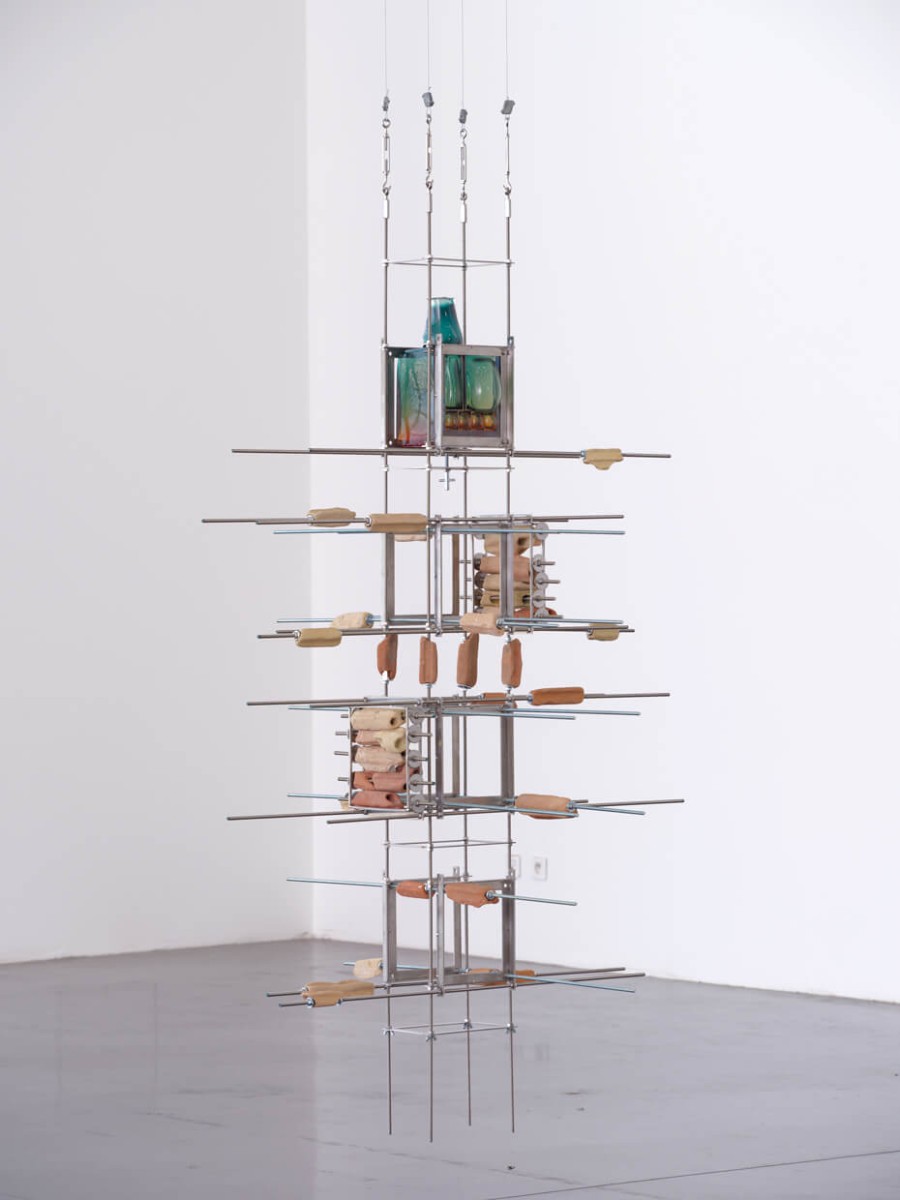
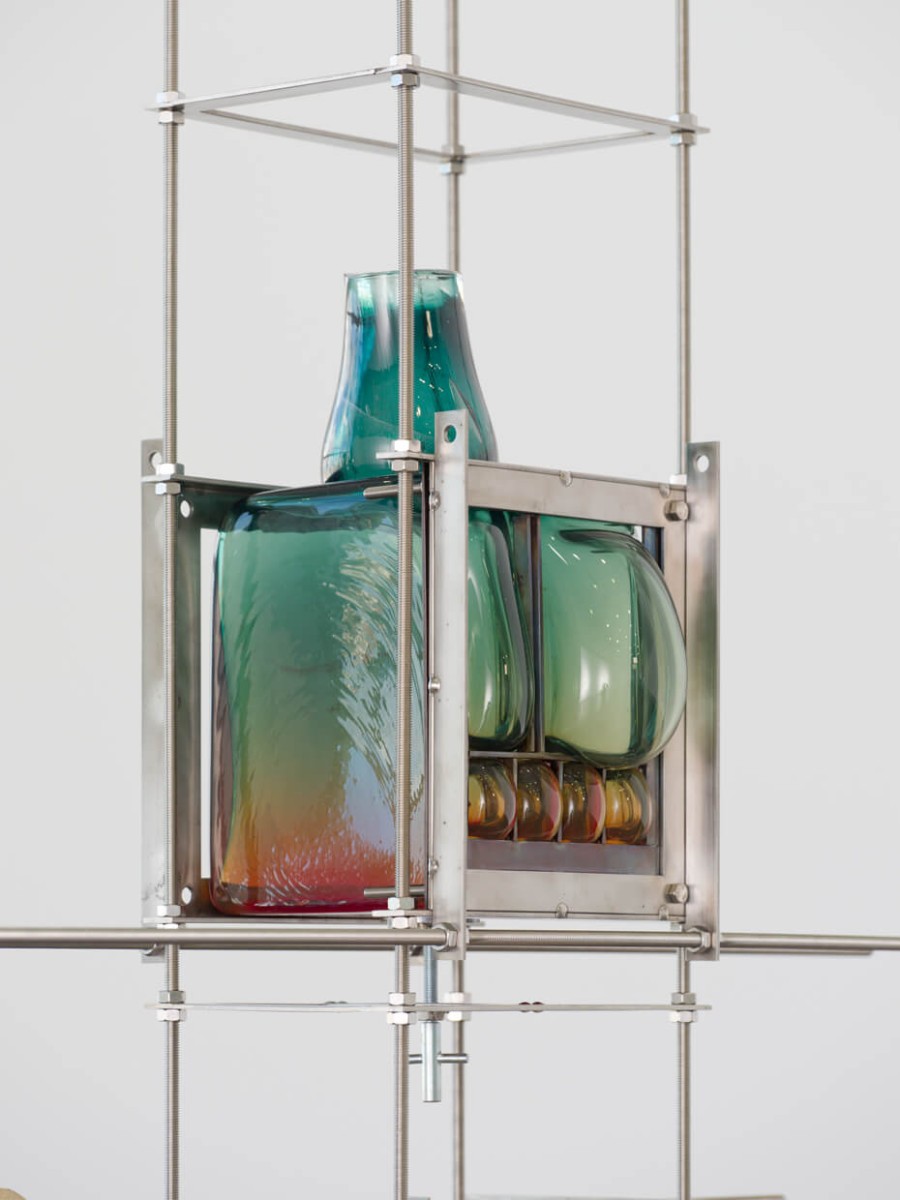
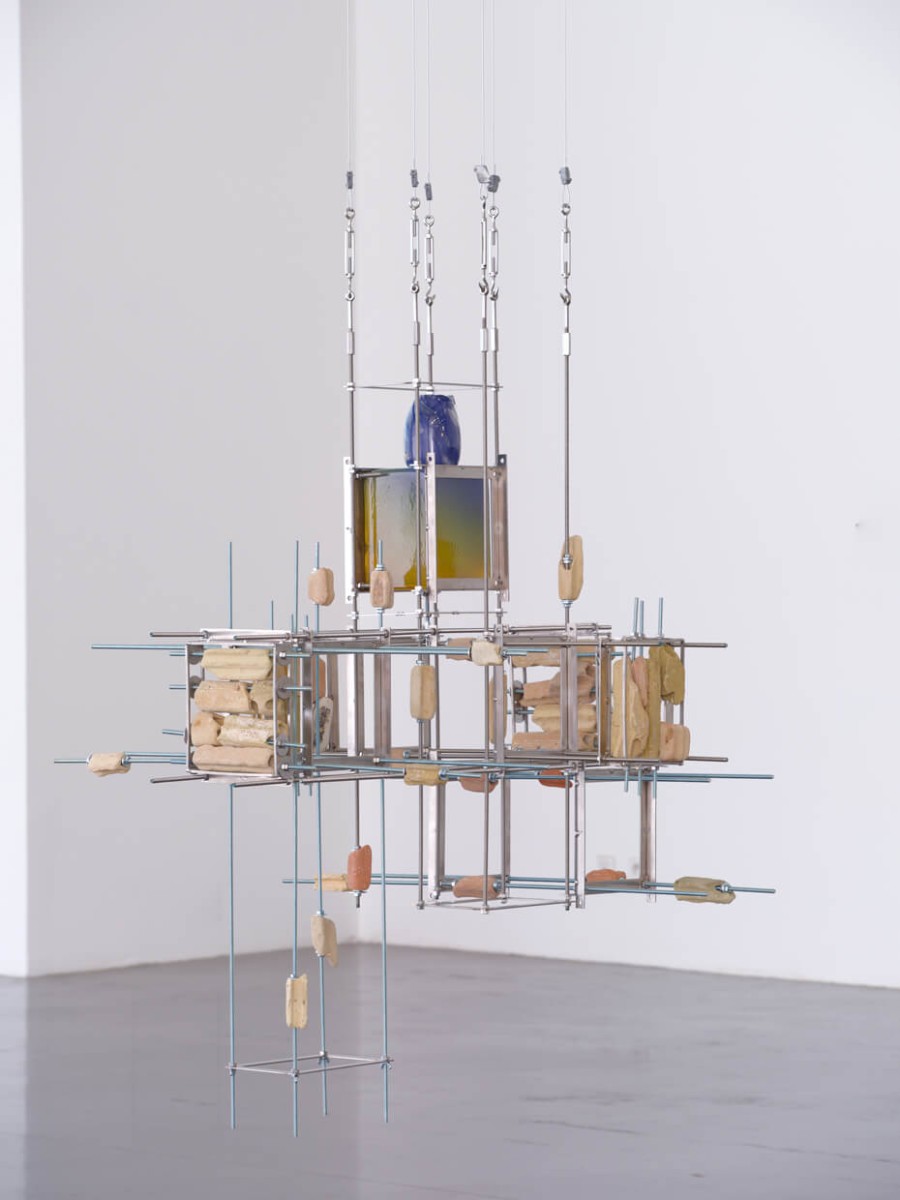
Aligned in front of the bay window facing north toward Marseille, a defining feature of the Panorama’s architecture, the new Hermits series connects the two exhibitions as four similar works are presented at the Collection Lambert. These sculptures in blown glass, metal, and bricks—the latter, debris from construction materials taken from the pharaonic building site underway at the abandoned airport of Hellinikon, near Athens where Agata Ingarden lives—evoke hermit crabs inhabiting the empty shells of vanished mollusks, as well as the claustration of eremitic lives. Yet despite this dual evocation of retreat into interiority, Agata Ingarden’s Hermits appear as empty refuges and their windows, whose iridescence suggests perpetual sunsets, dangerously expand outward, as if threatening to explode.
Curator: Victorine Grataloup
Production: Camille Ramanana Rahary, Florence Gosset
Exhibition installation and technical coordination: Jean-Christophe Aubert, Benoit Fremaux, John Girard, Vincent Sojic
Outreach: Key Soulié, Capucine Tible
Reception & ticketing team: Céleste Ascar, David Soriano, Mia Suau, Charlotte Kinon
Exhibition reception agents: Aude Bourhis, Elsa Gasnault, Rachid Hogas, Agathe Mirafiore
Exhibition assistant: Maya Giraudet
The artist would like to thank: Chris Towers, Maryna Vasylenko, Calliope Pavlides, Alan Goddard, Garush Melkonyan, Rafael Moreno, Masha Silchenko, Anders Dickson, Pierre-Clément Malet, Nicolas Faubert, Delphine Mouly, Wladimir Schall, Louis Desbordes, Klara Jogalla, Benjamin Leclerc, Bogdana Kosmina, Leonidas Dolgov