Like Clockwork
A solo exhibition by Mona Benyamin
May 21 - September 27, 2026, public opening on Wednesday, May 20 from 5 to 10 pm
R4, Friche la Belle de Mai
⮕ Read the exhibition’s guide by clicking here
⮕ Board game designed by Friche la Belle de Mai’s outreach team, available for download by clicking here
An exhibition conceived and produced by Triangle-Astérides
Co-produced by the Friche la Belle de Mai cooperative and Kamel Lazaar Foundation
Presented as part of the Mediterranean Season 2026
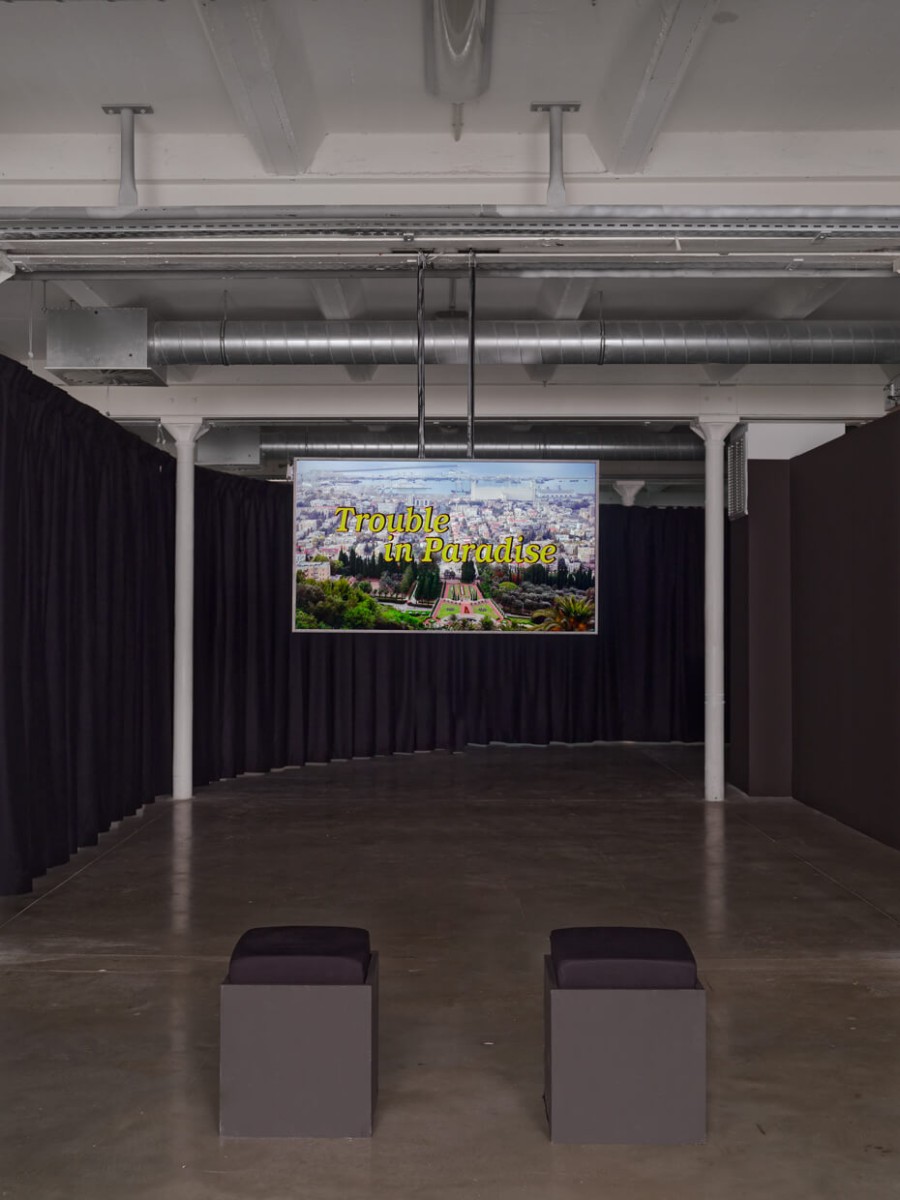
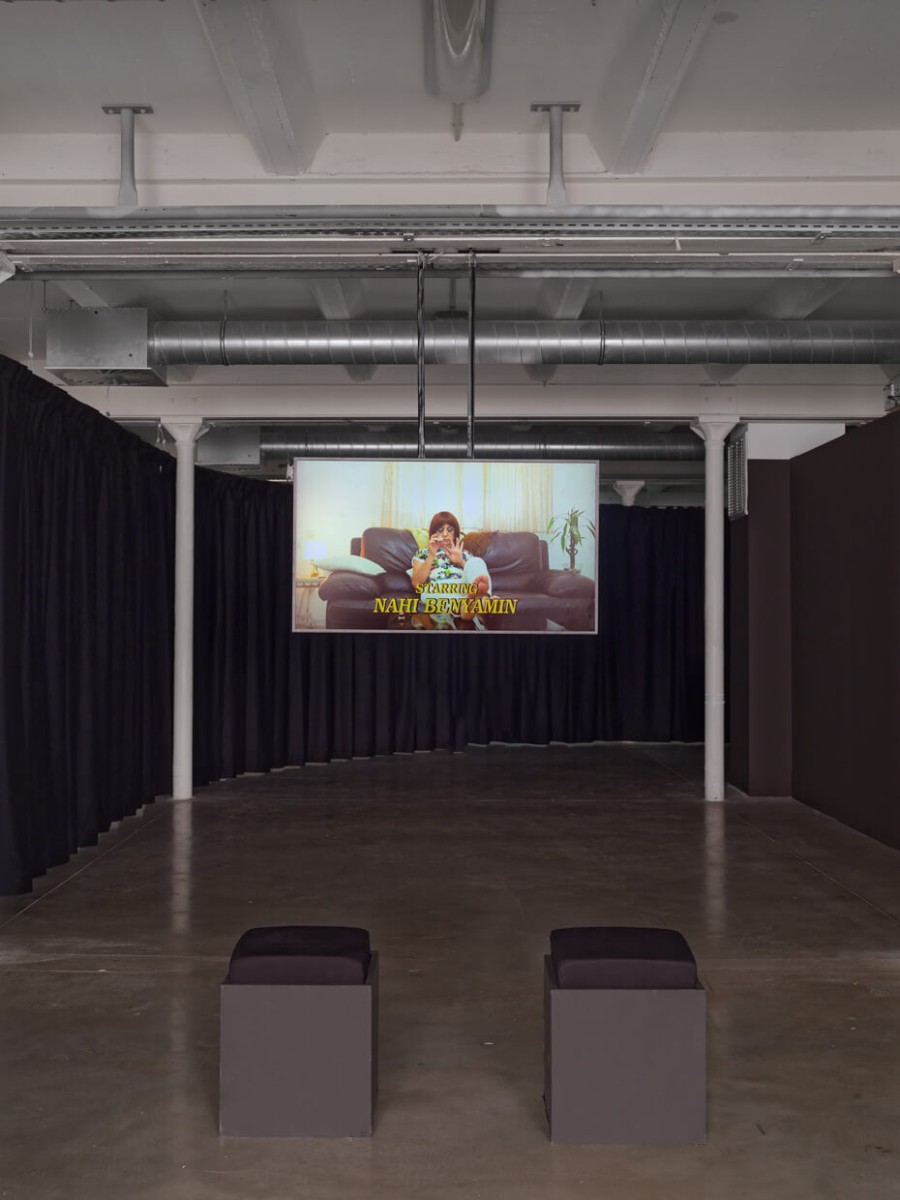
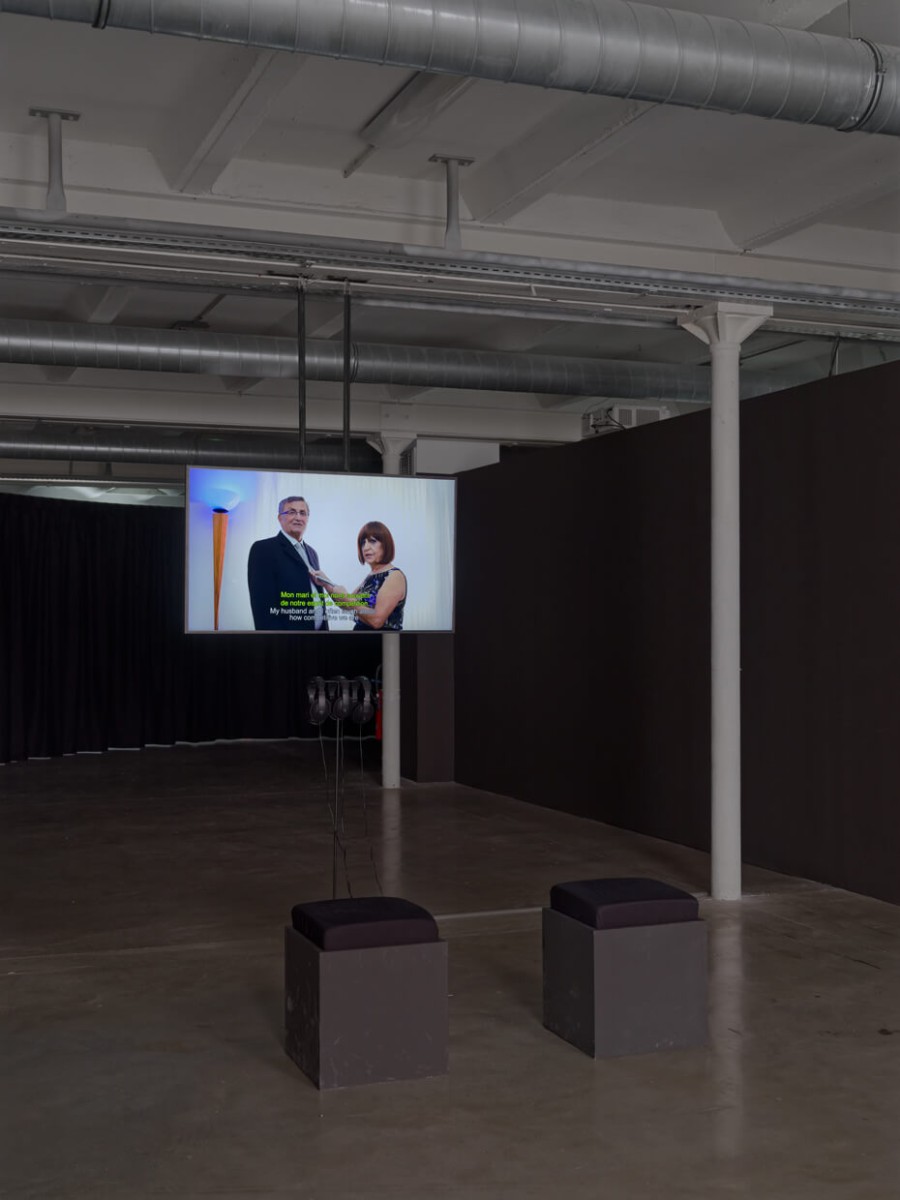
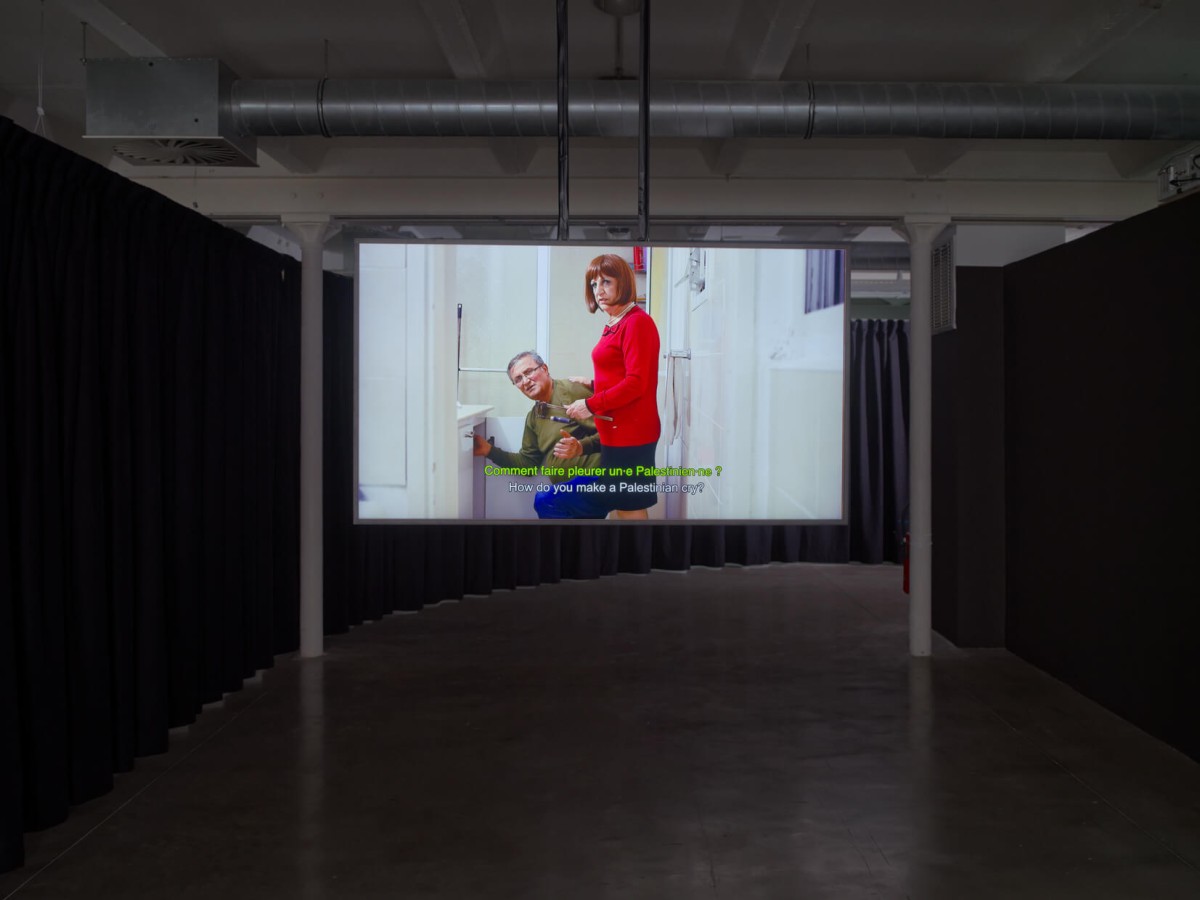
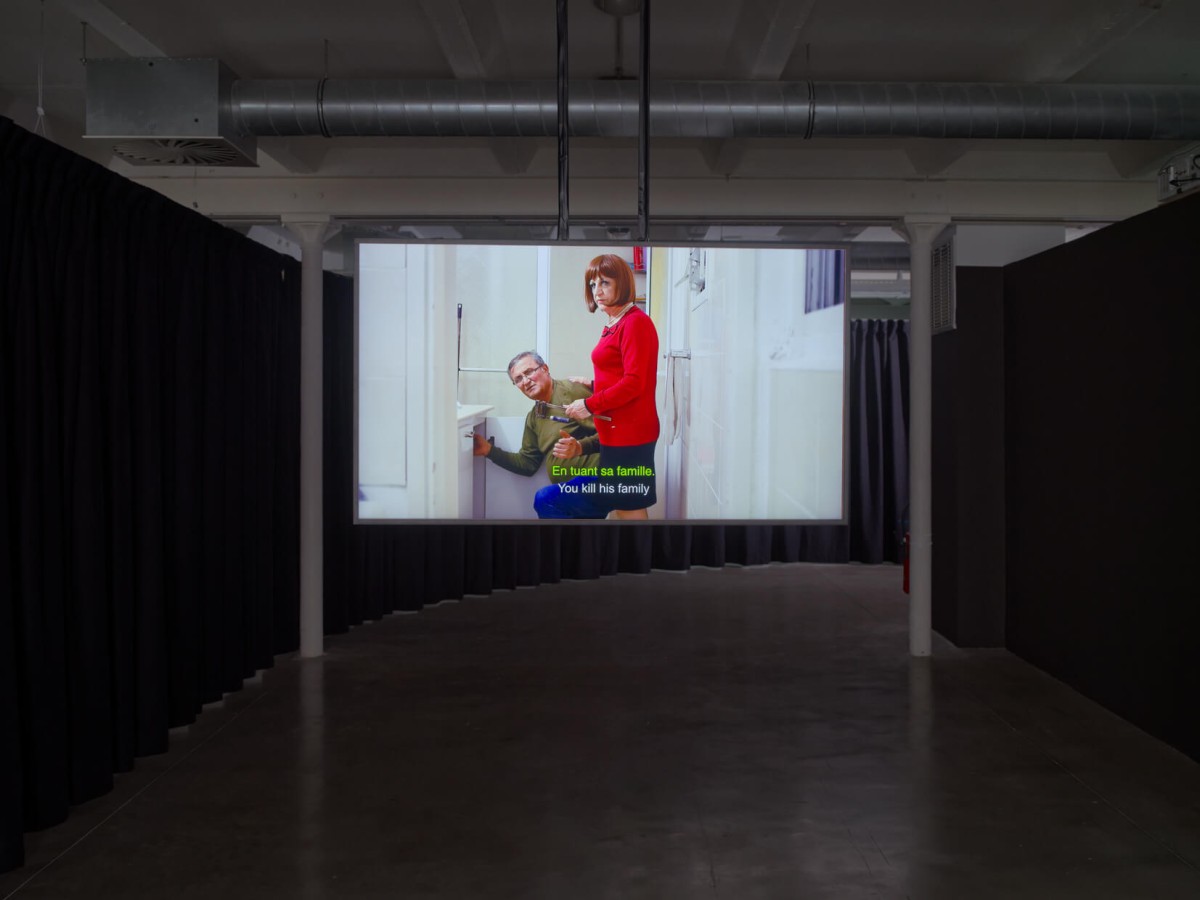
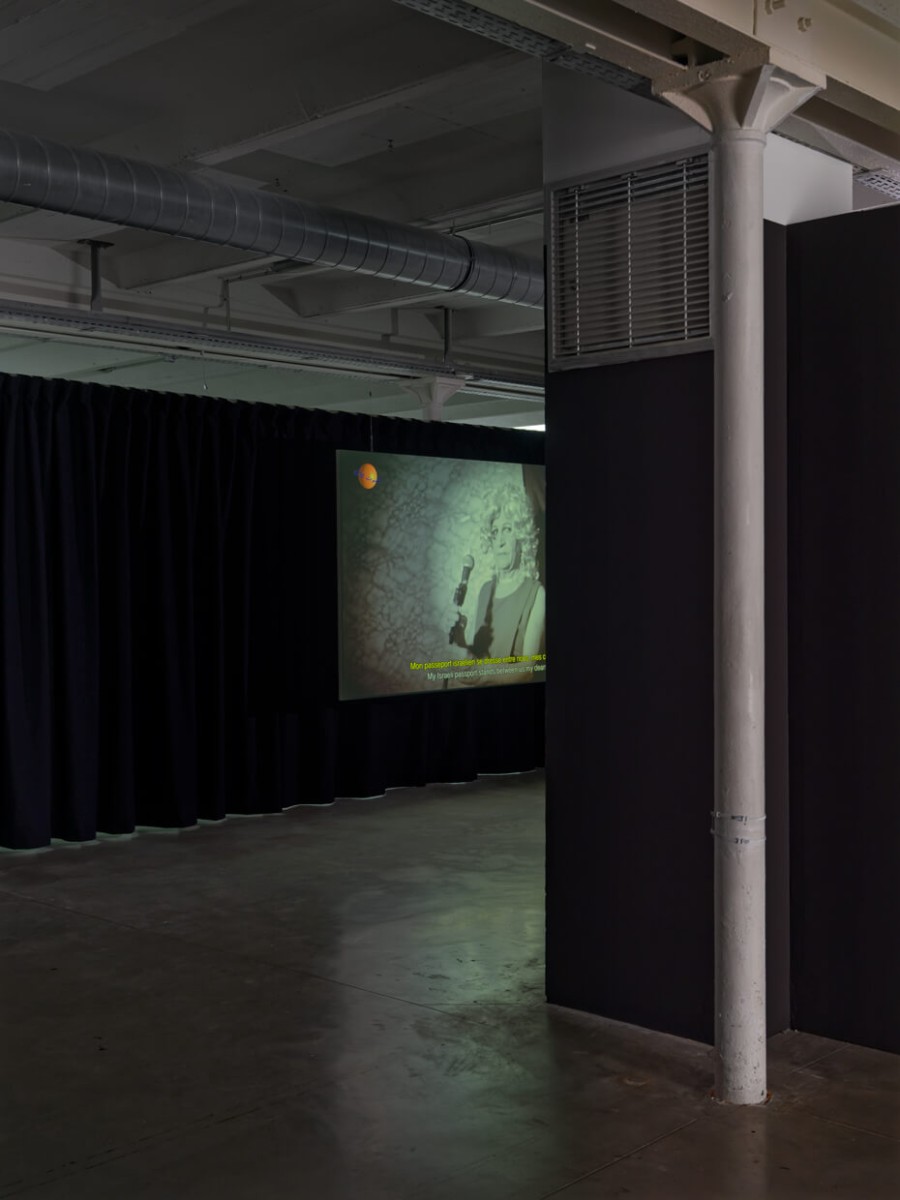
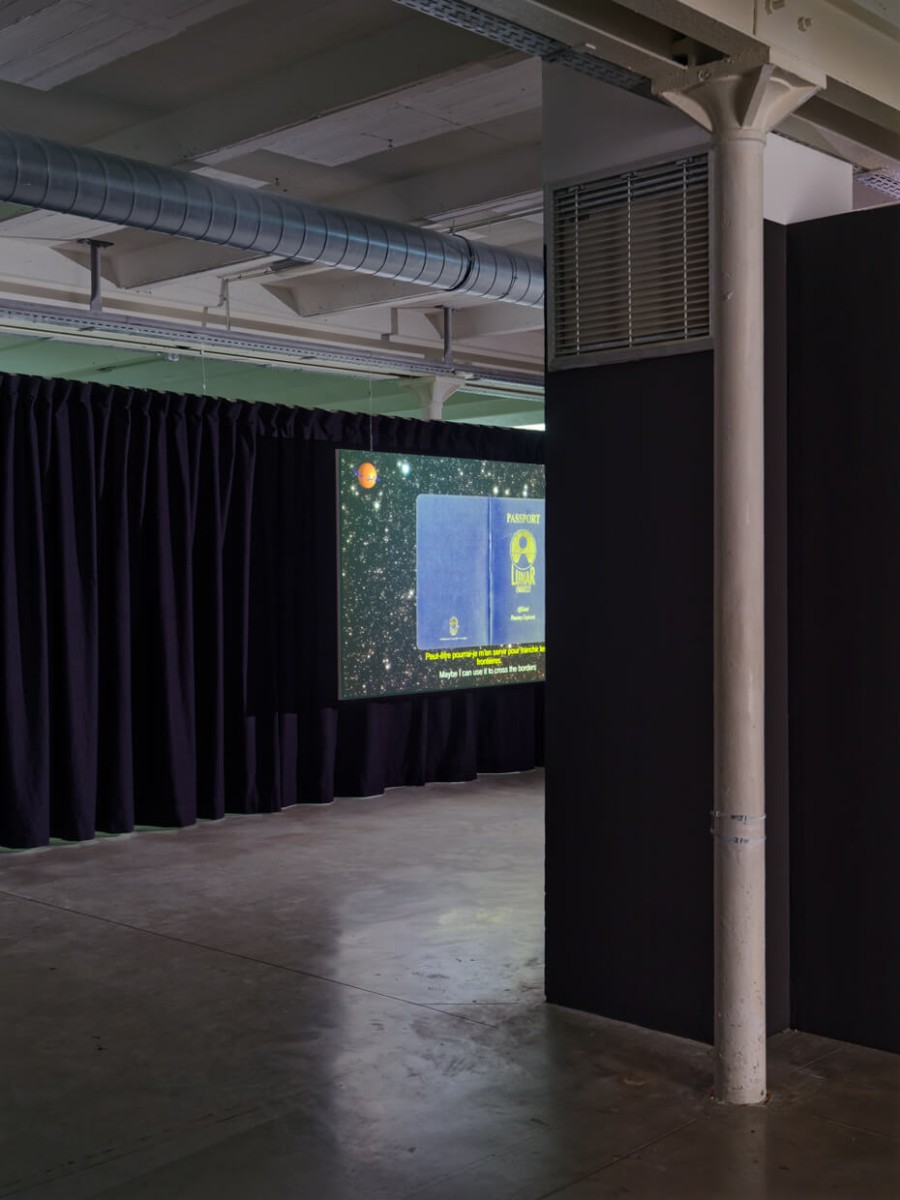
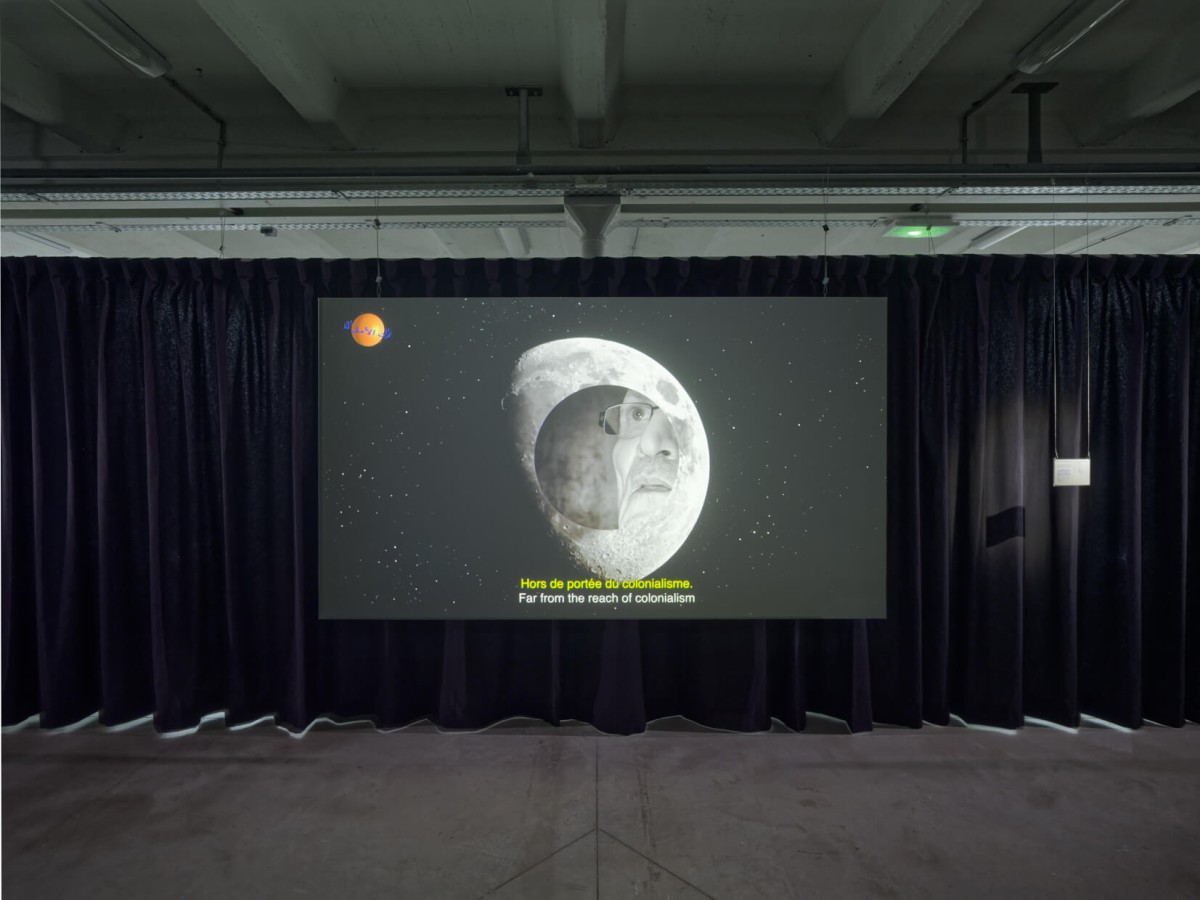
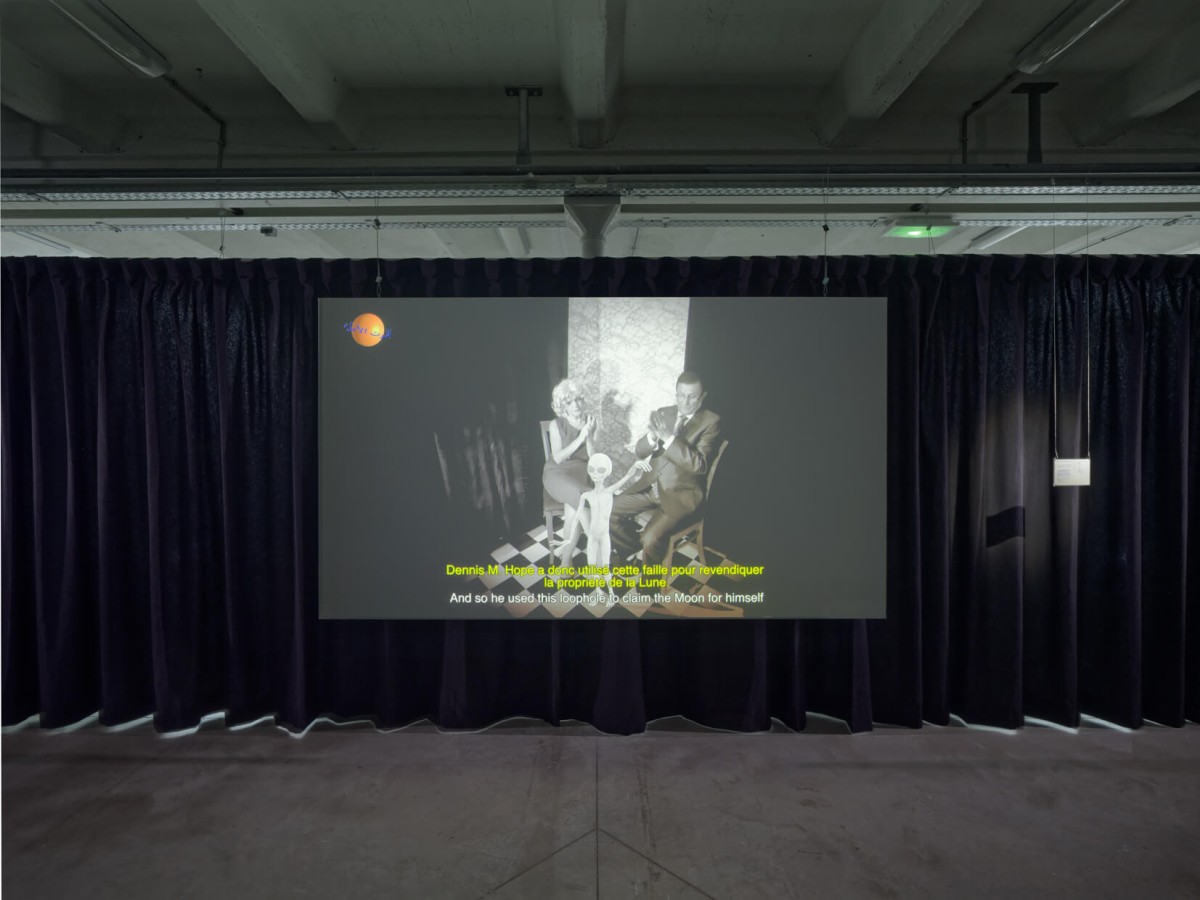
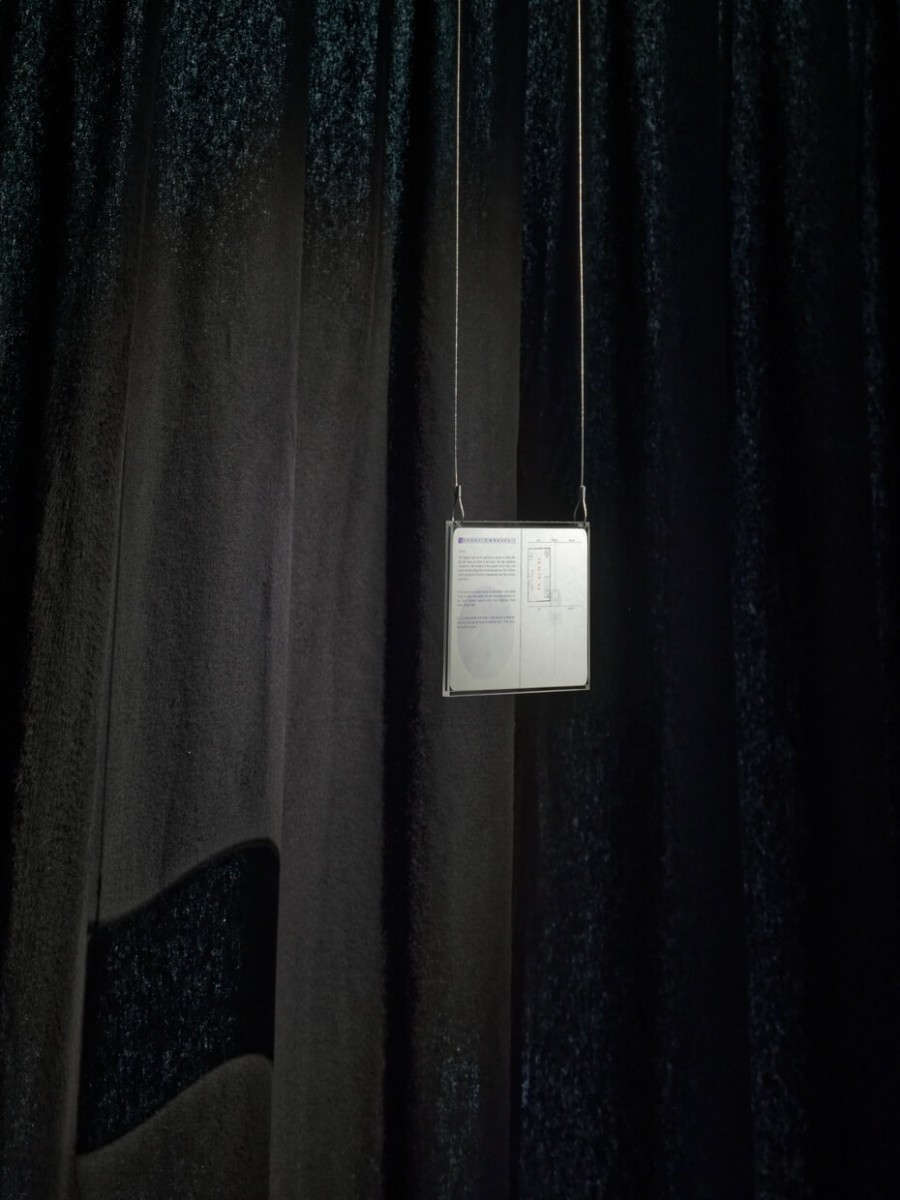
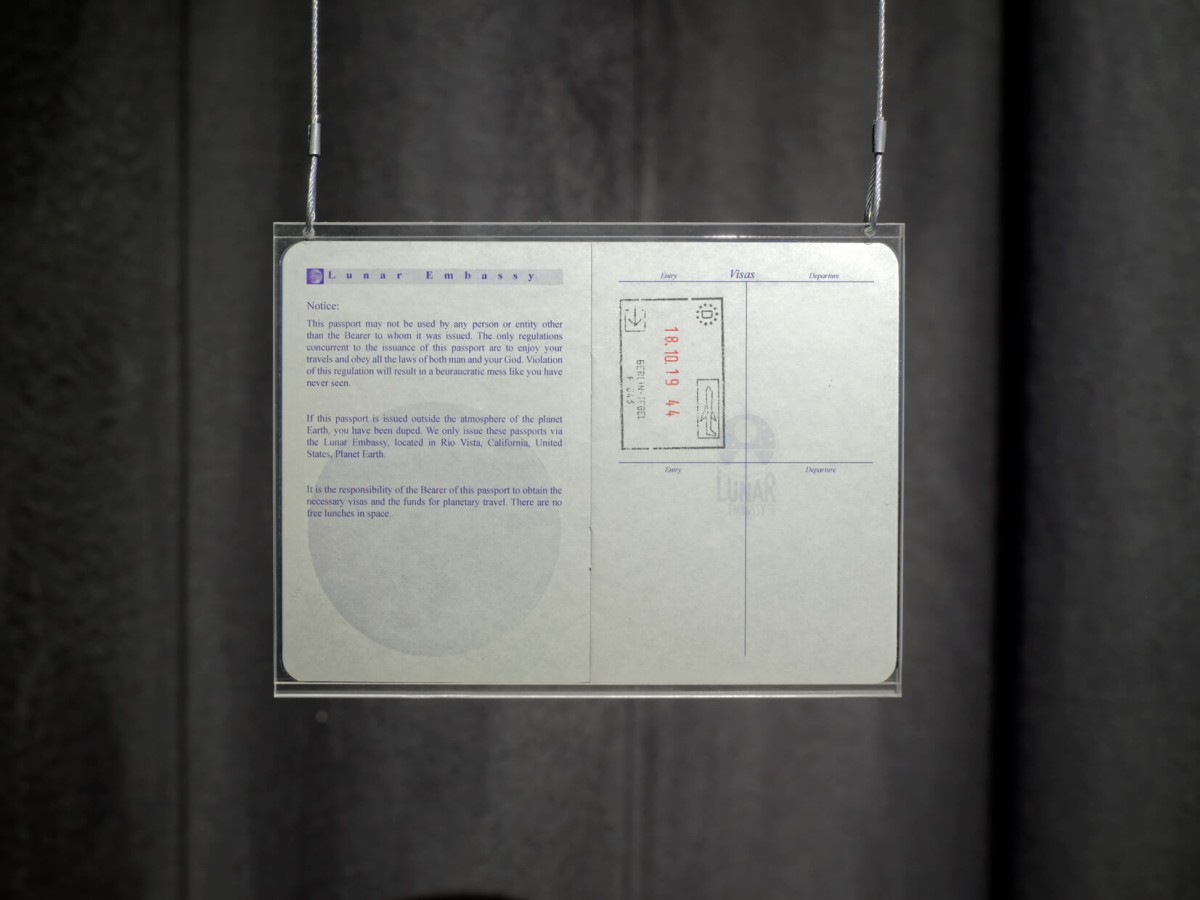
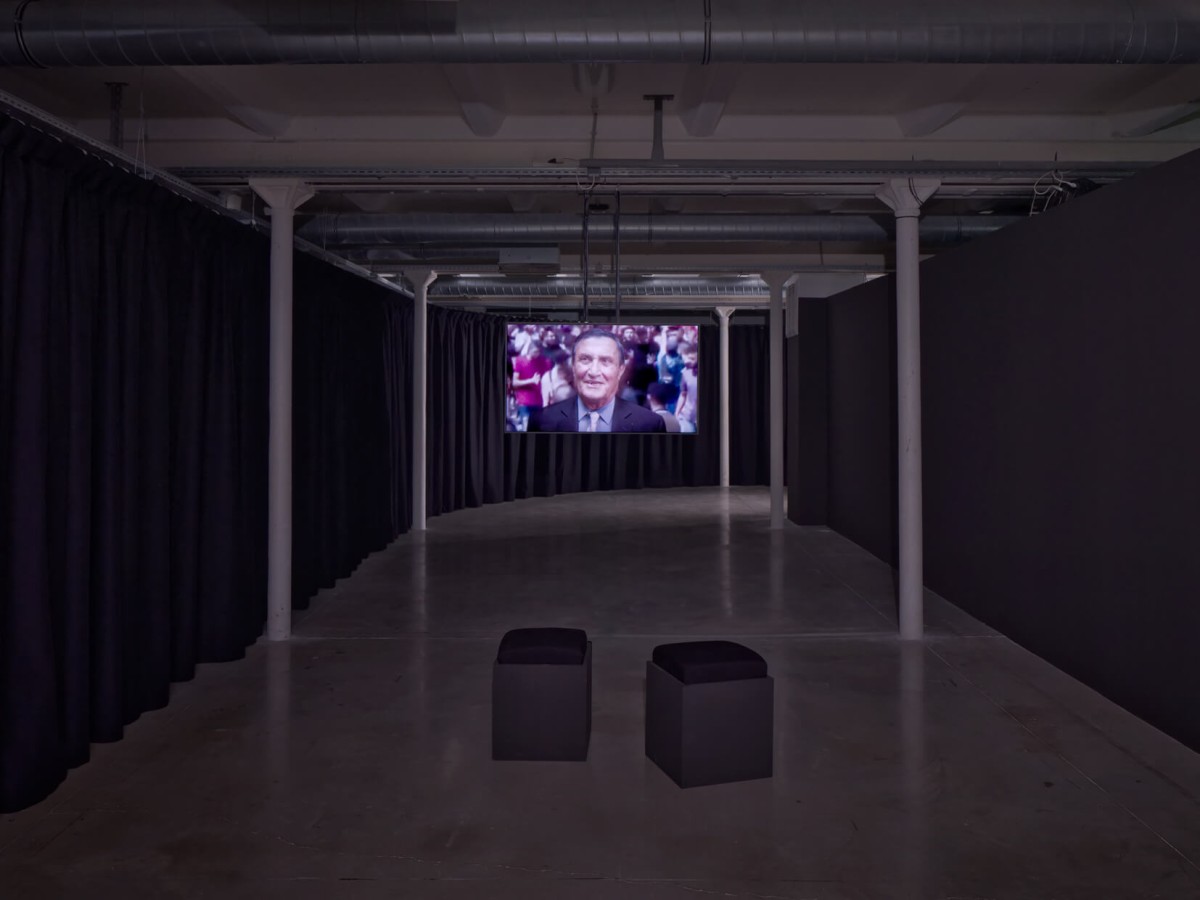
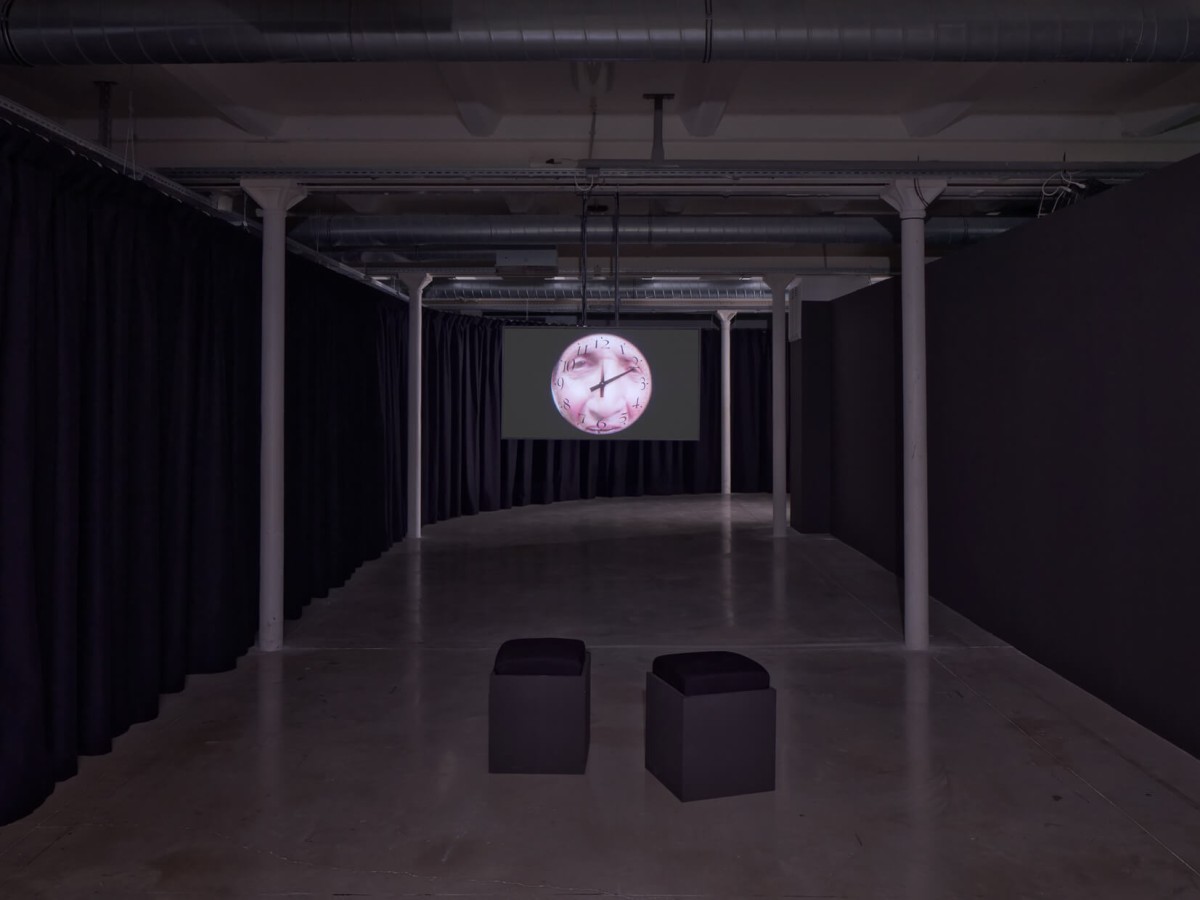
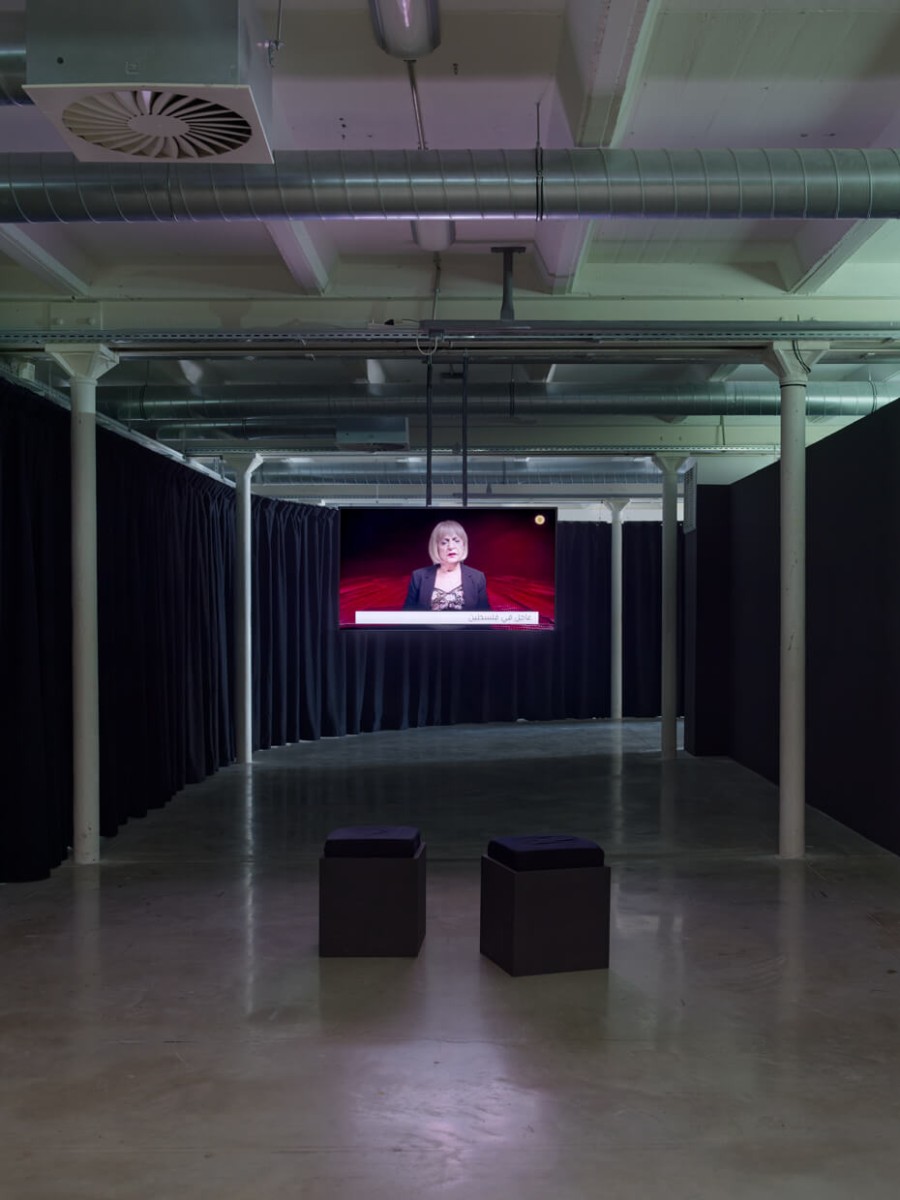
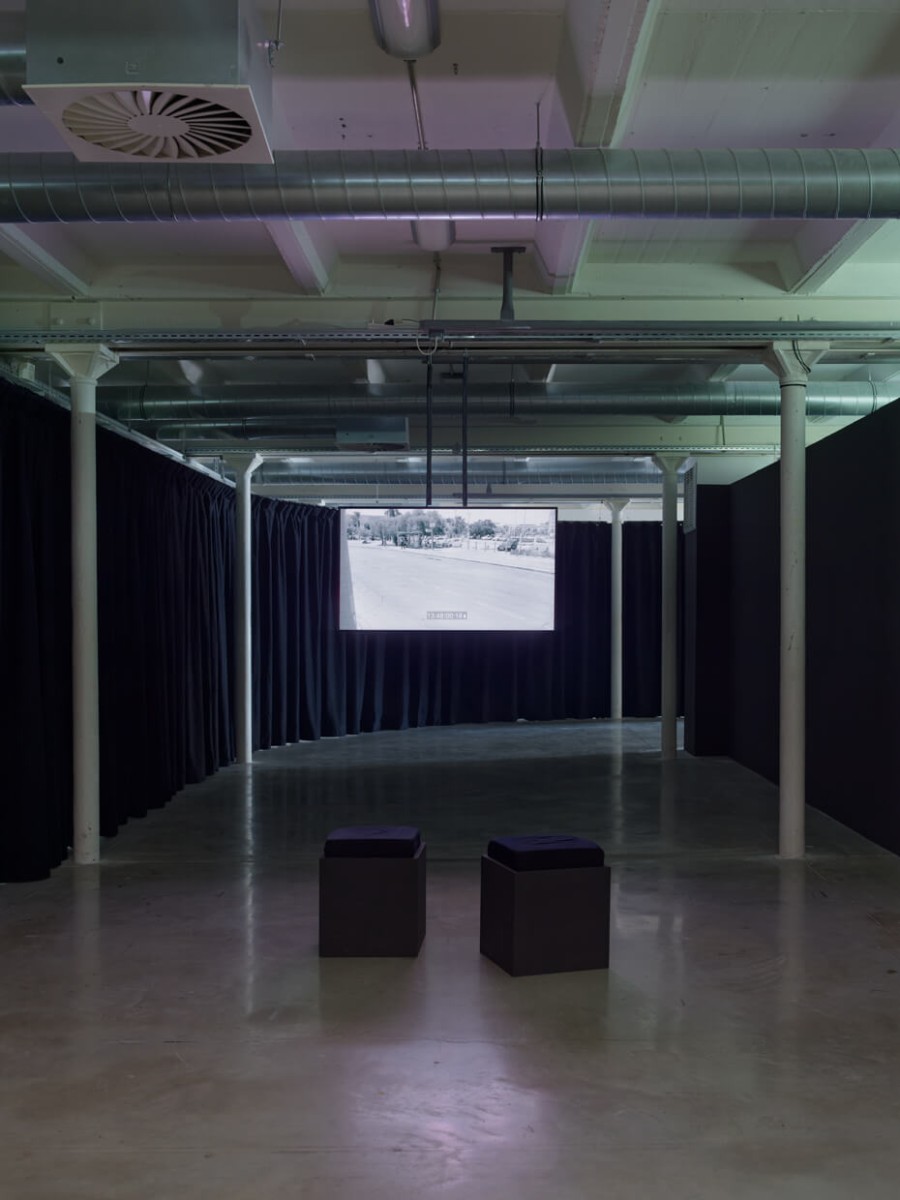
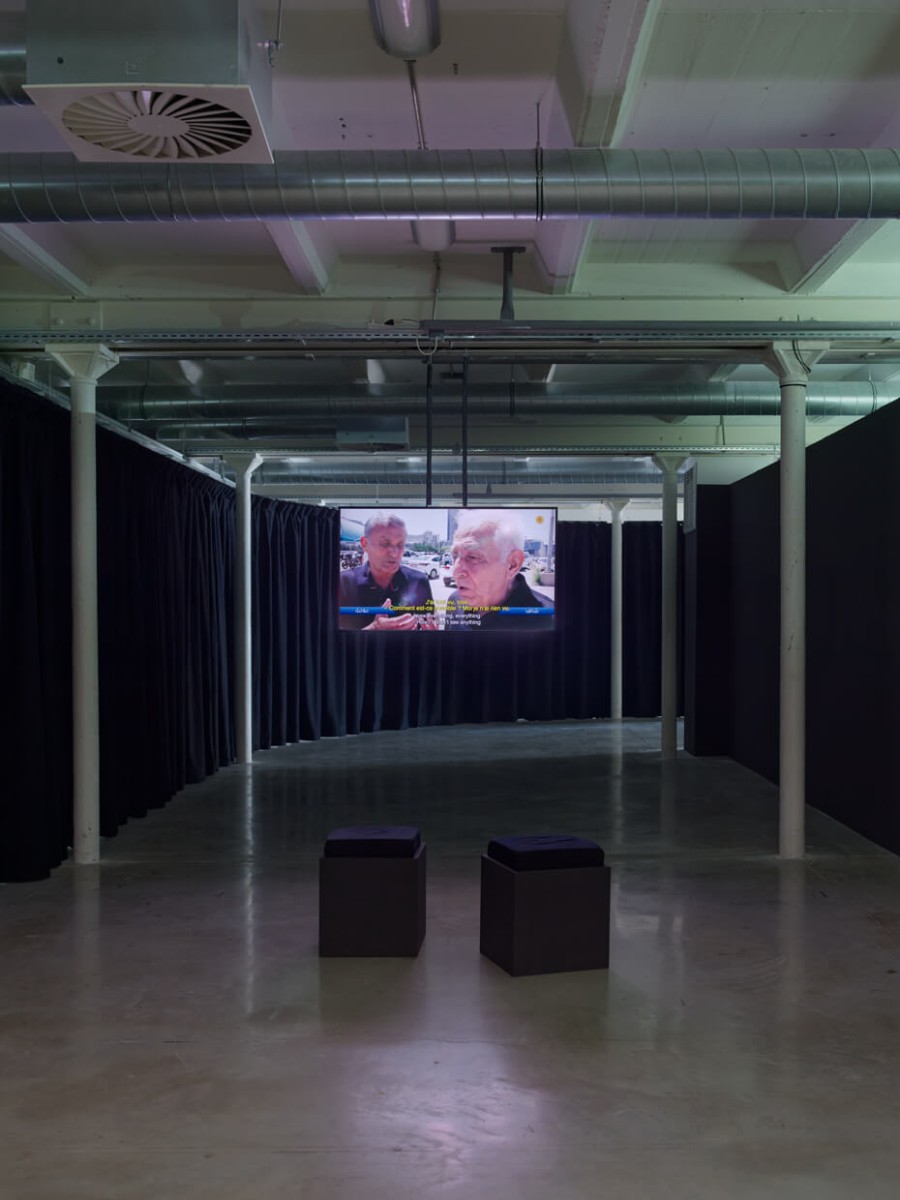
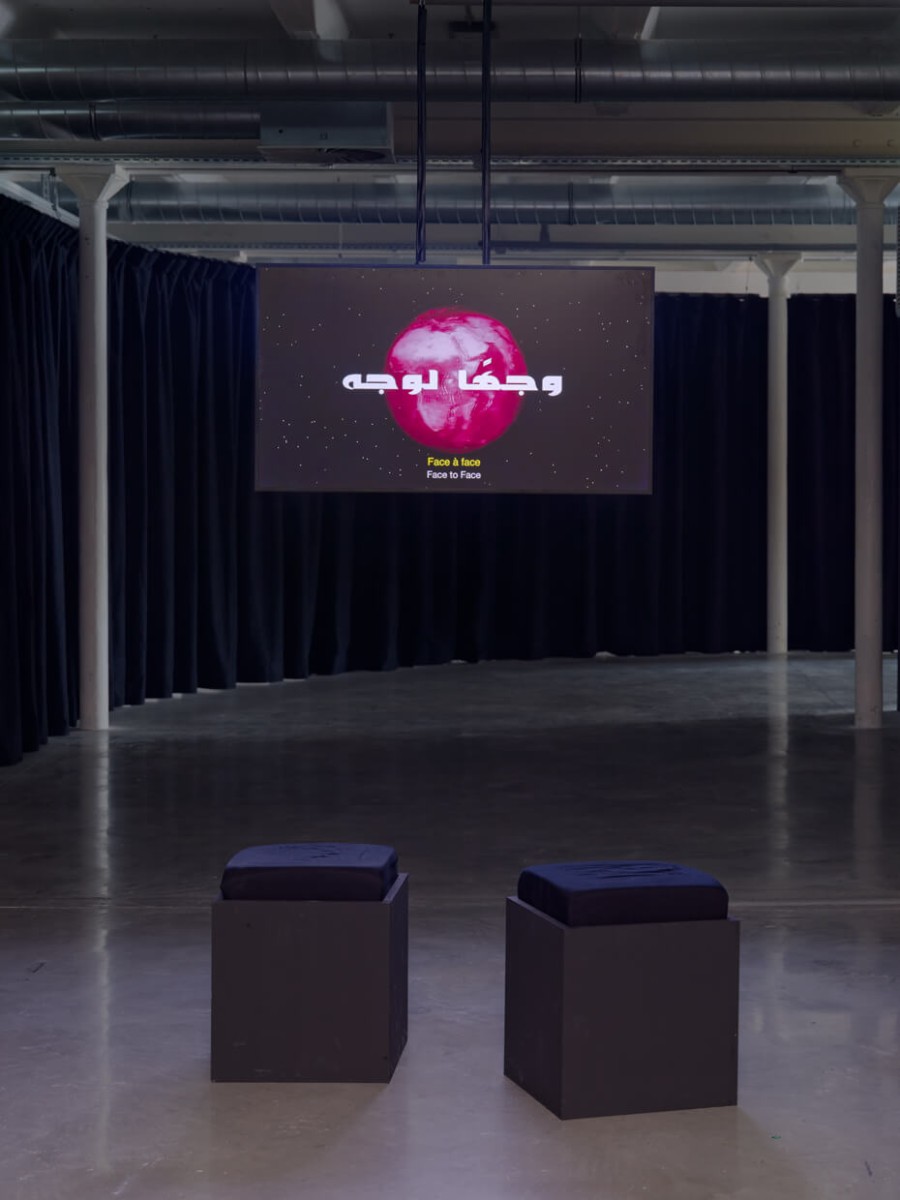
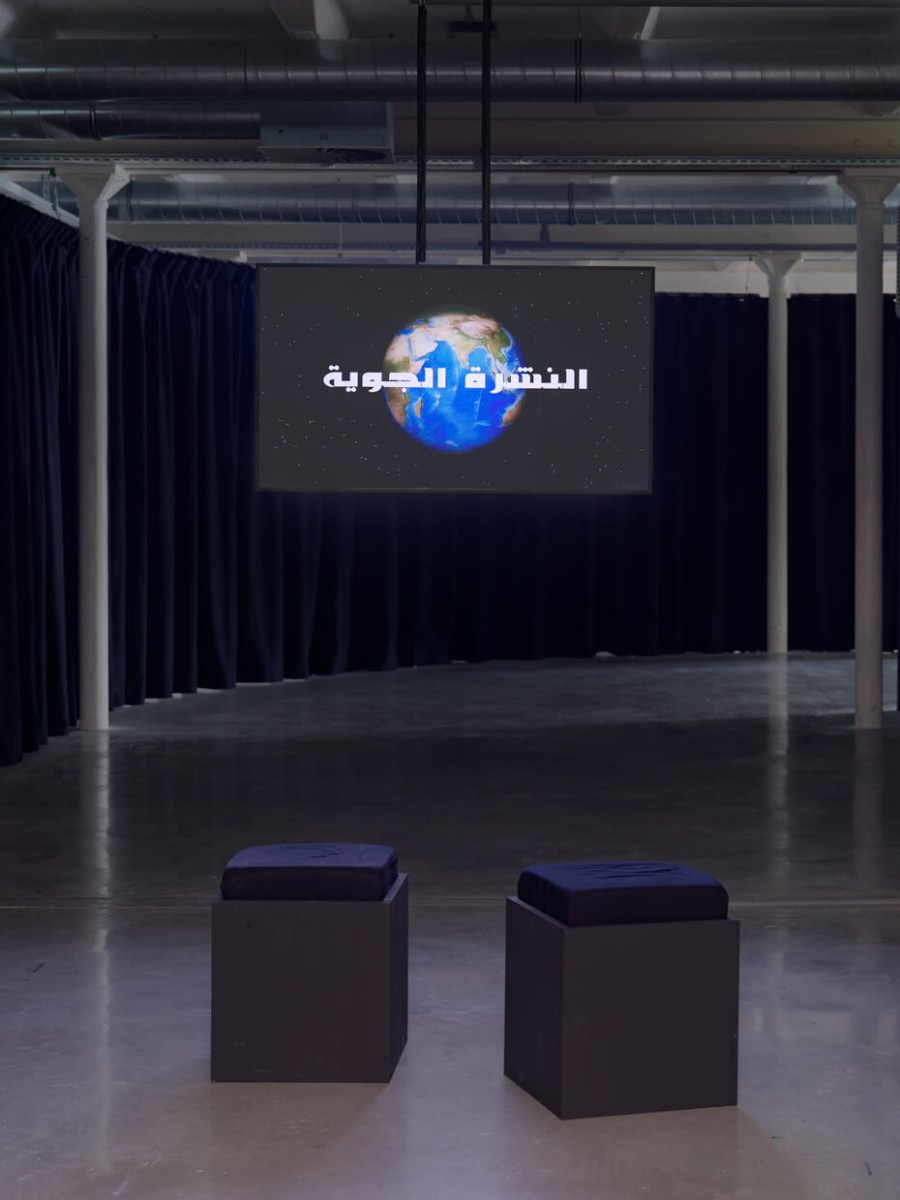
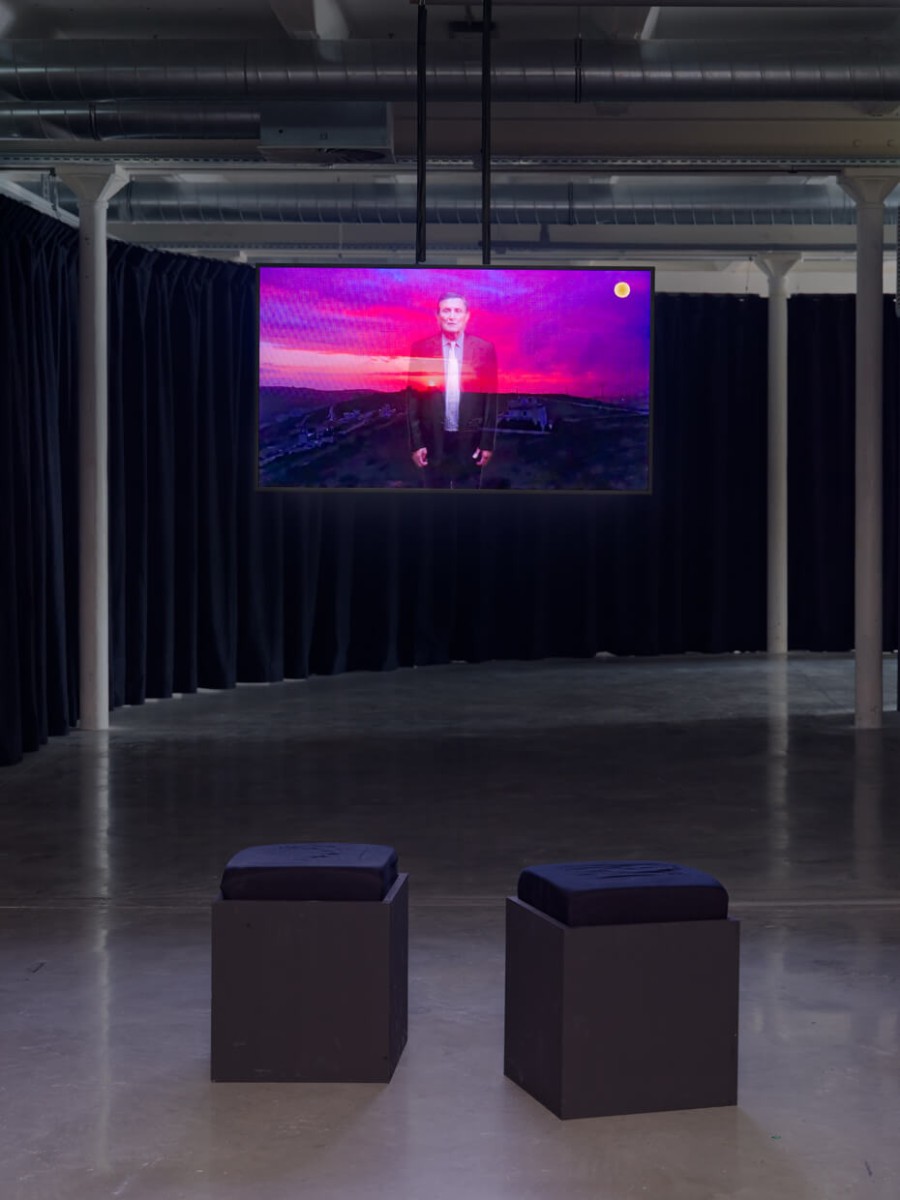
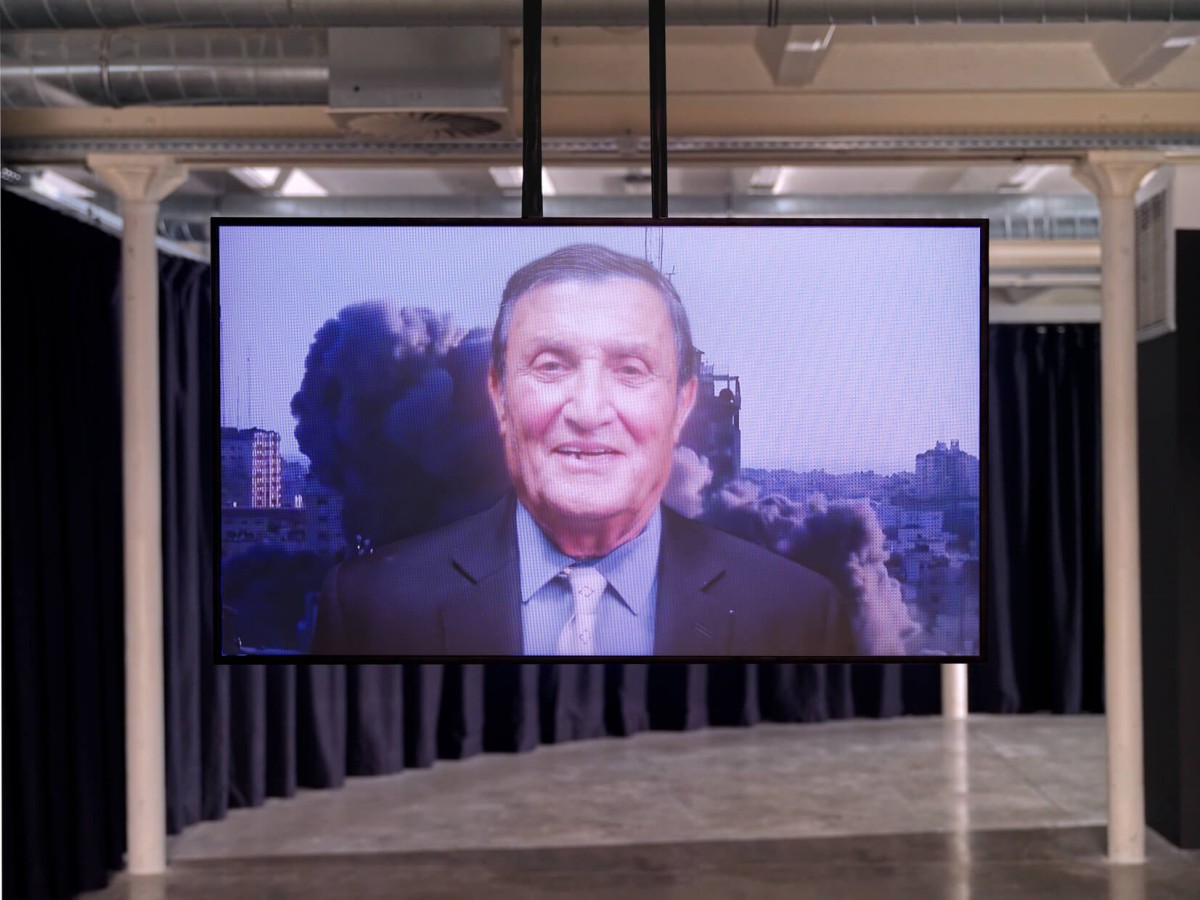
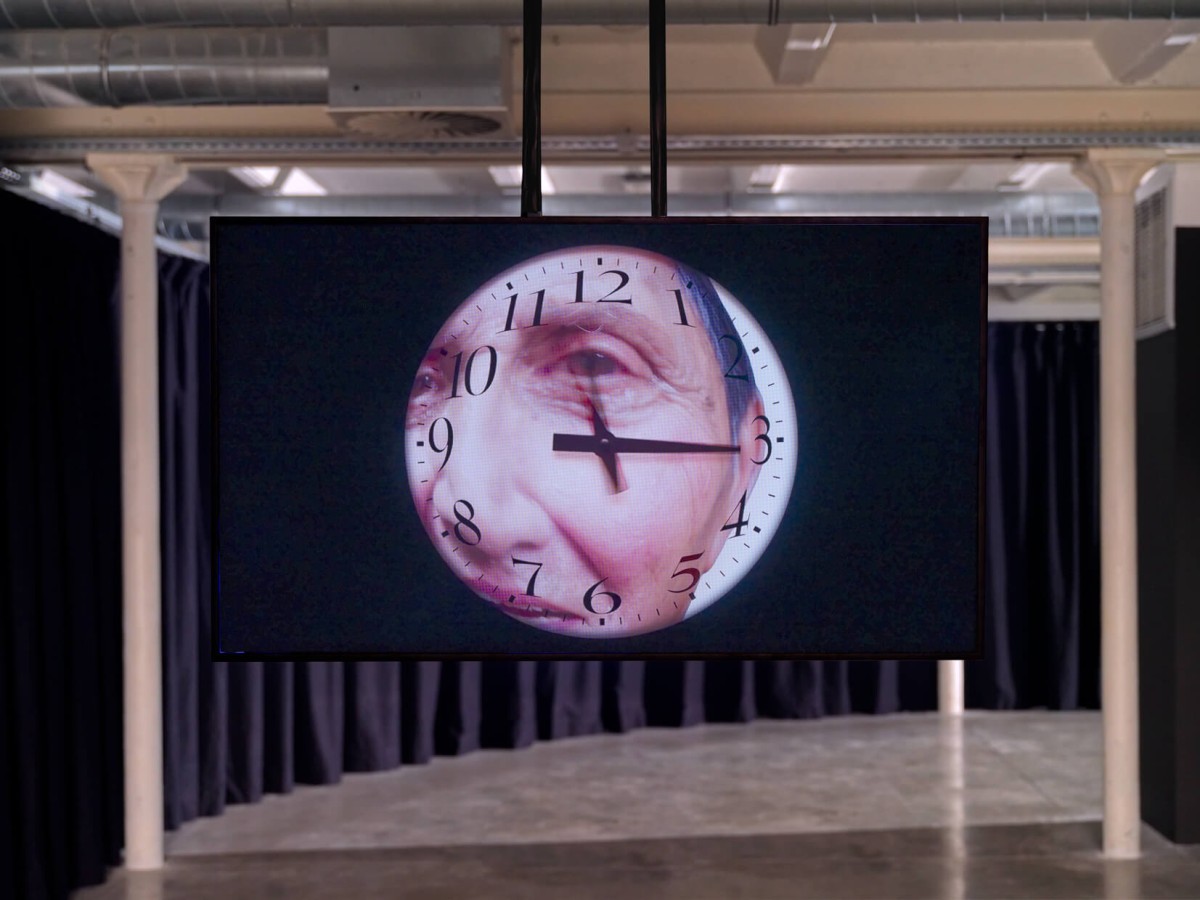
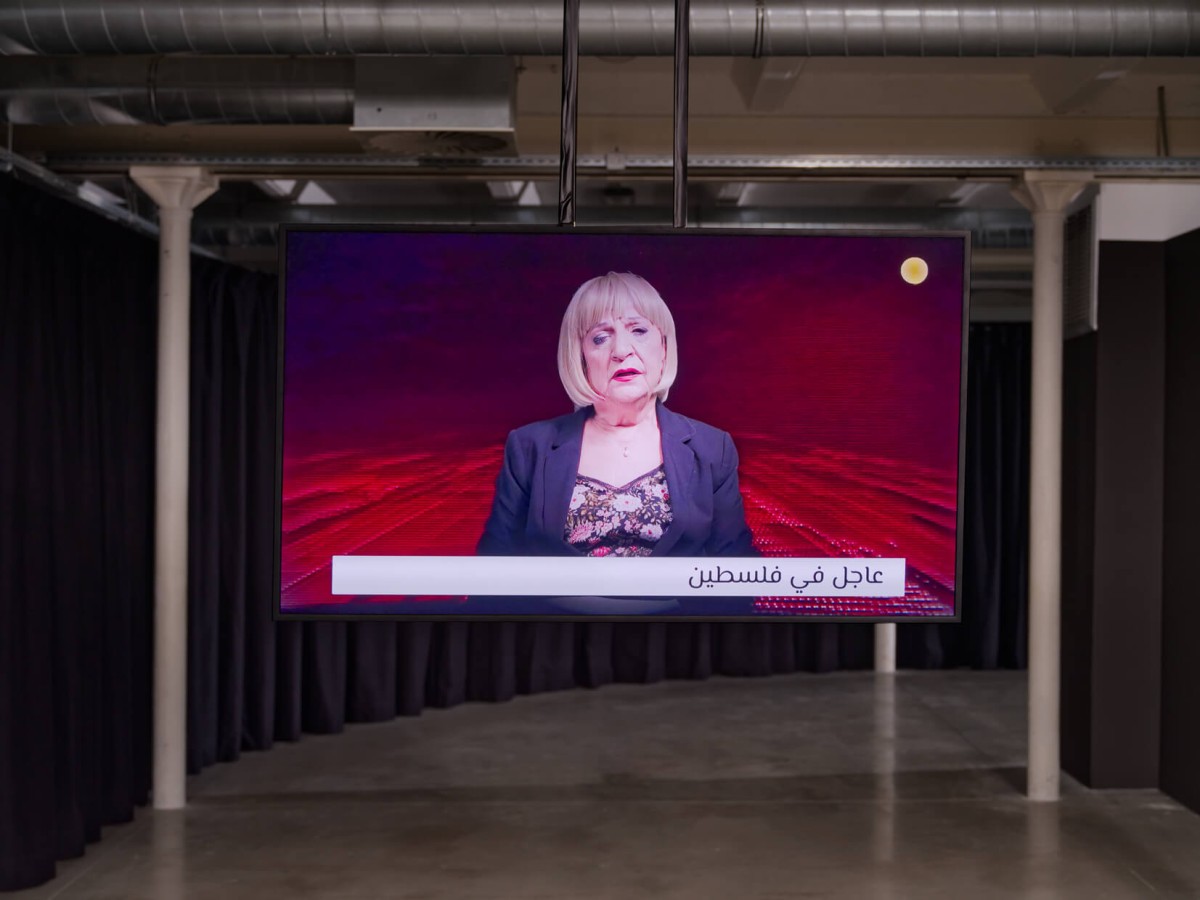
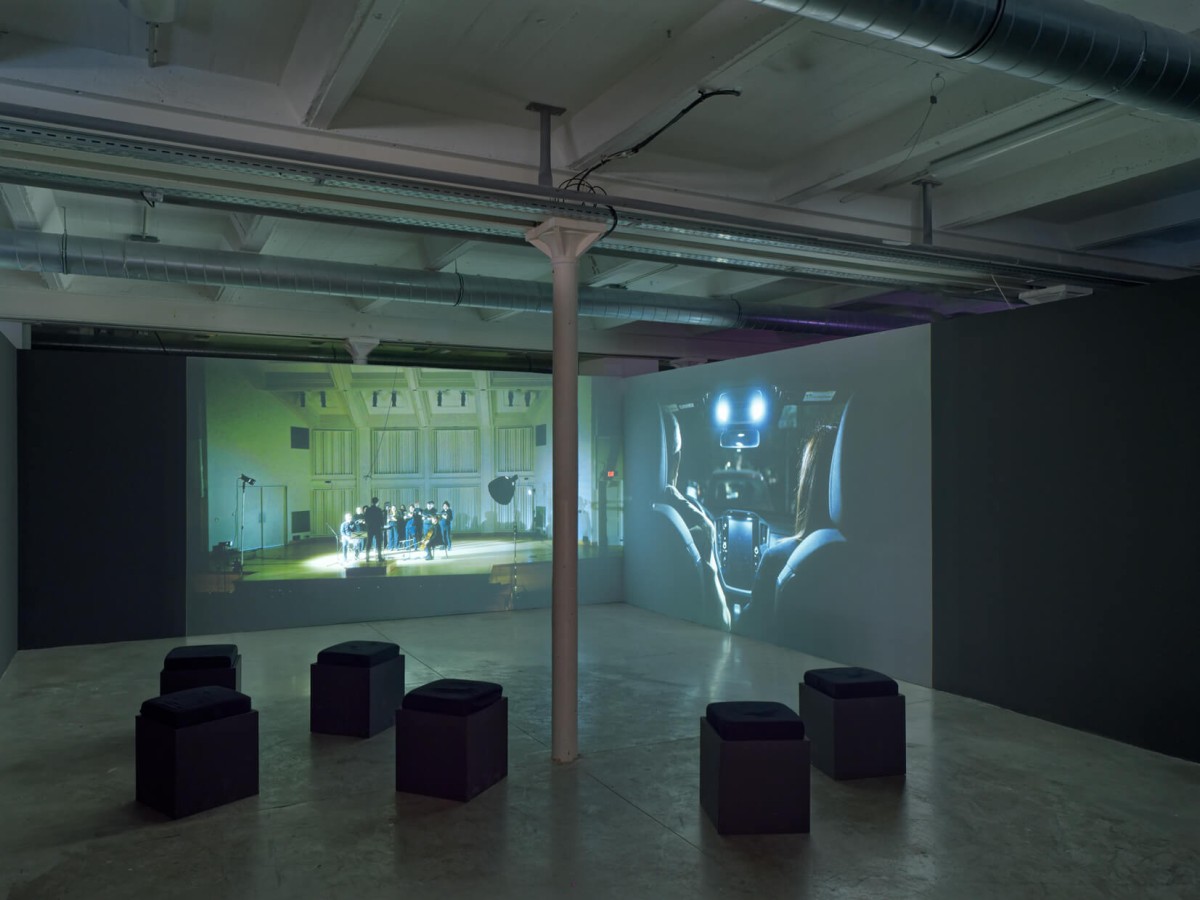
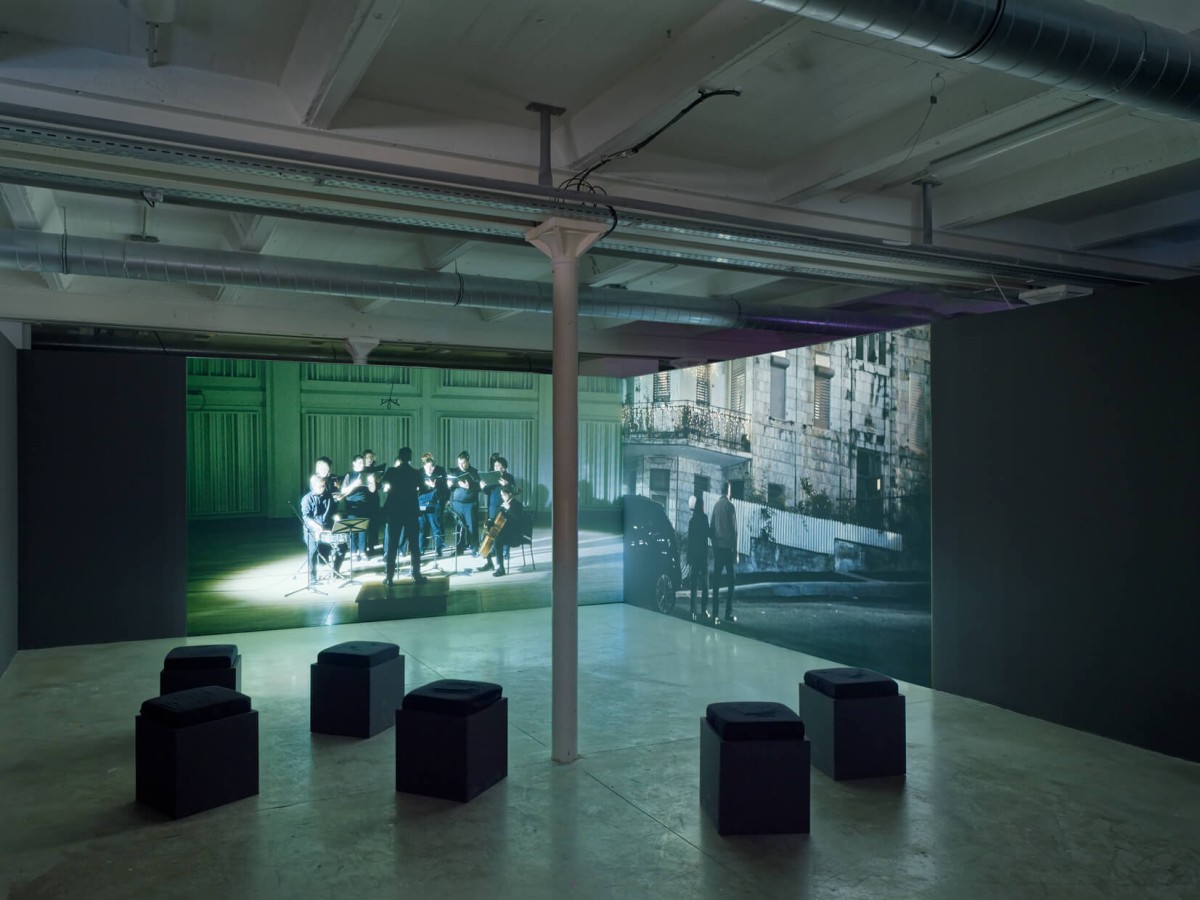
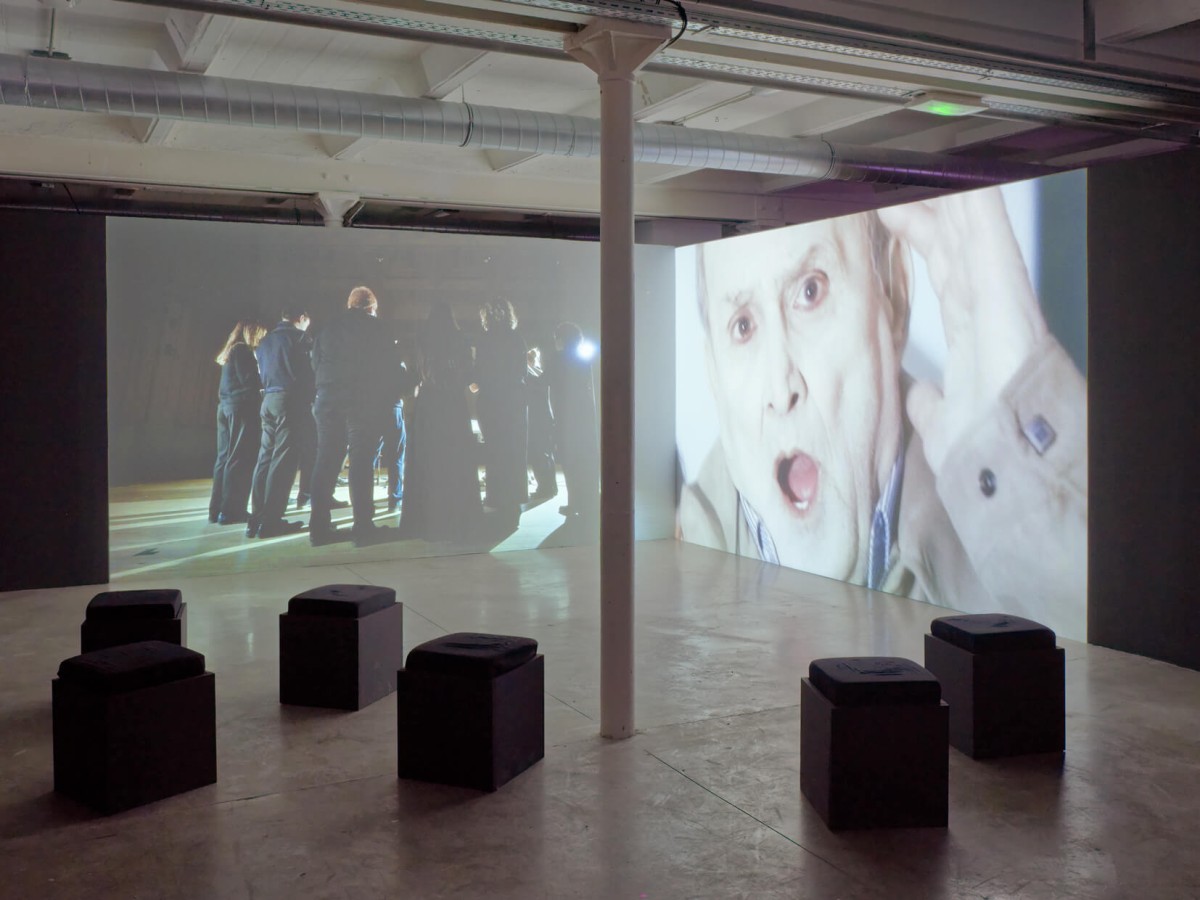
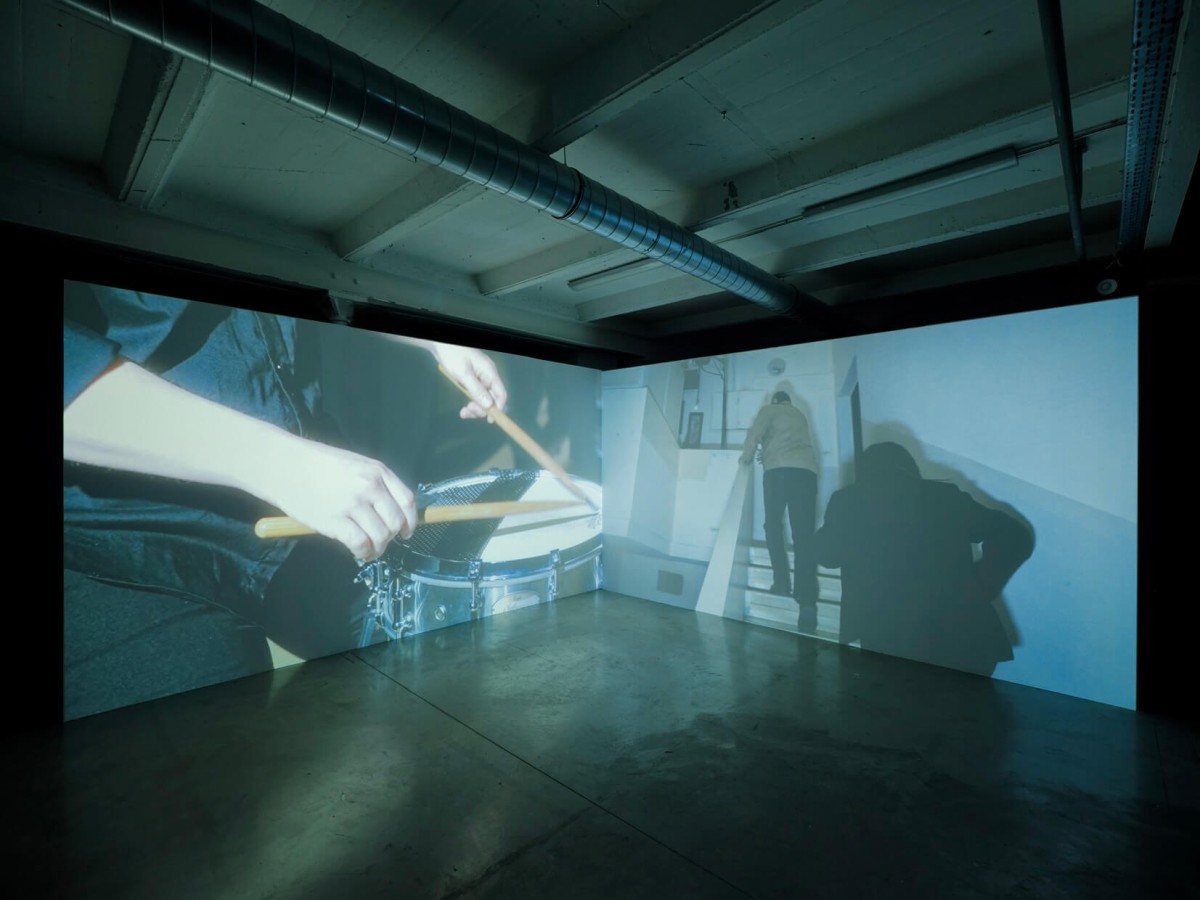
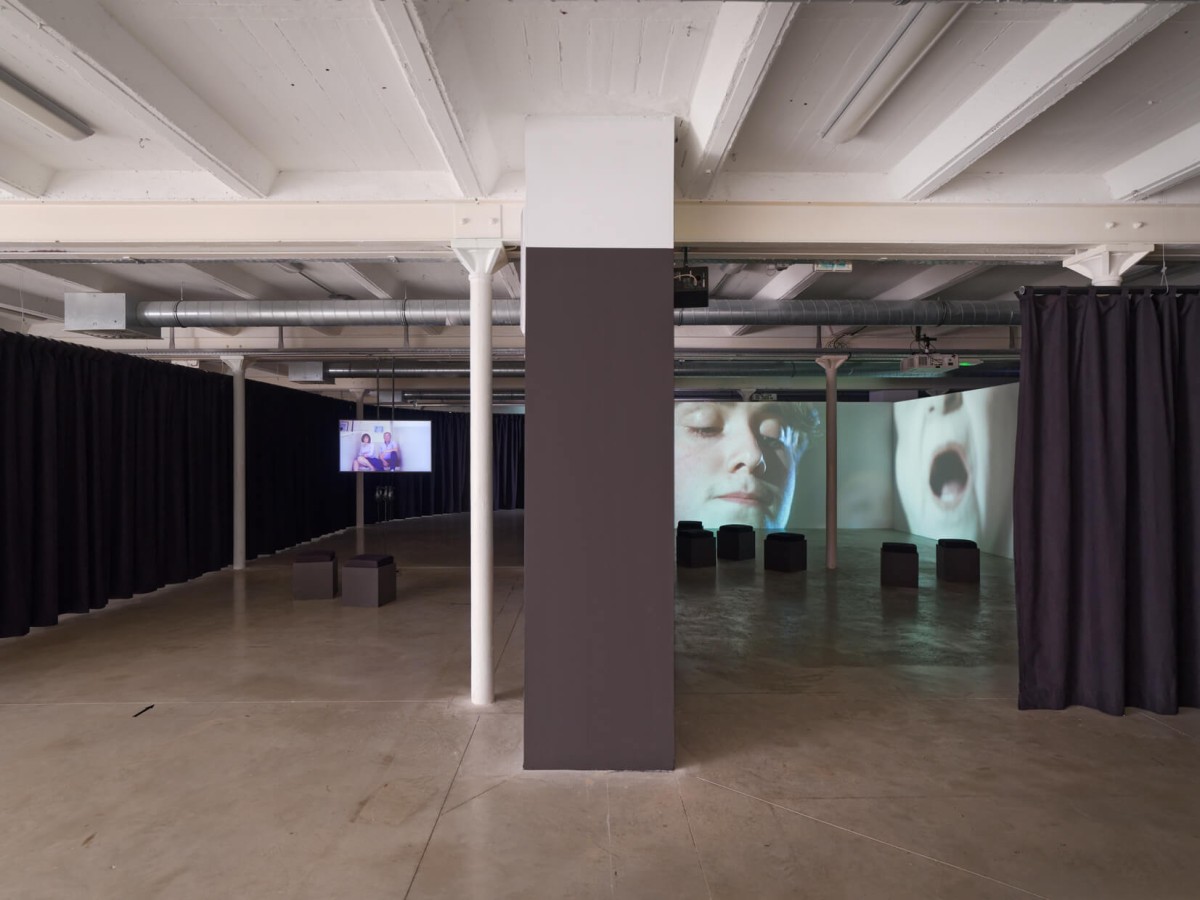
For her first solo exhibition, Mona Benyamin presents the first version of a new film diptych, along with three earlier video works.
Resonating like an invitation to move, a strangely familiar rhythm fills the exhibition space. Sustained by the drone of a cello and the snap of a snare drum, it gradually turns into a repetitive loop. One by one, then in unison, the voices of twelve performers, whose faces are never revealed, overlap. Their spectral appearance echoes the embodied presence of two recurring figures in Mona Benyamin’s films: her parents. Michel and Nahia Benyamin are, at times, the stars of sitcoms, music videos, newscasts, and at others of horror films.
Drawing on TV conventions that she then subverts, Mona Benyamin plays with comic and tragic registers to tell stories of dispossession and of the intergenerational transmission of memory and trauma relating to the Palestinian collective experience. Laughter, for the artist and her films’ protagonists alike, is a potential coping mechanism or a strategy of psychological survival in the face of the traumas of the Nakba.
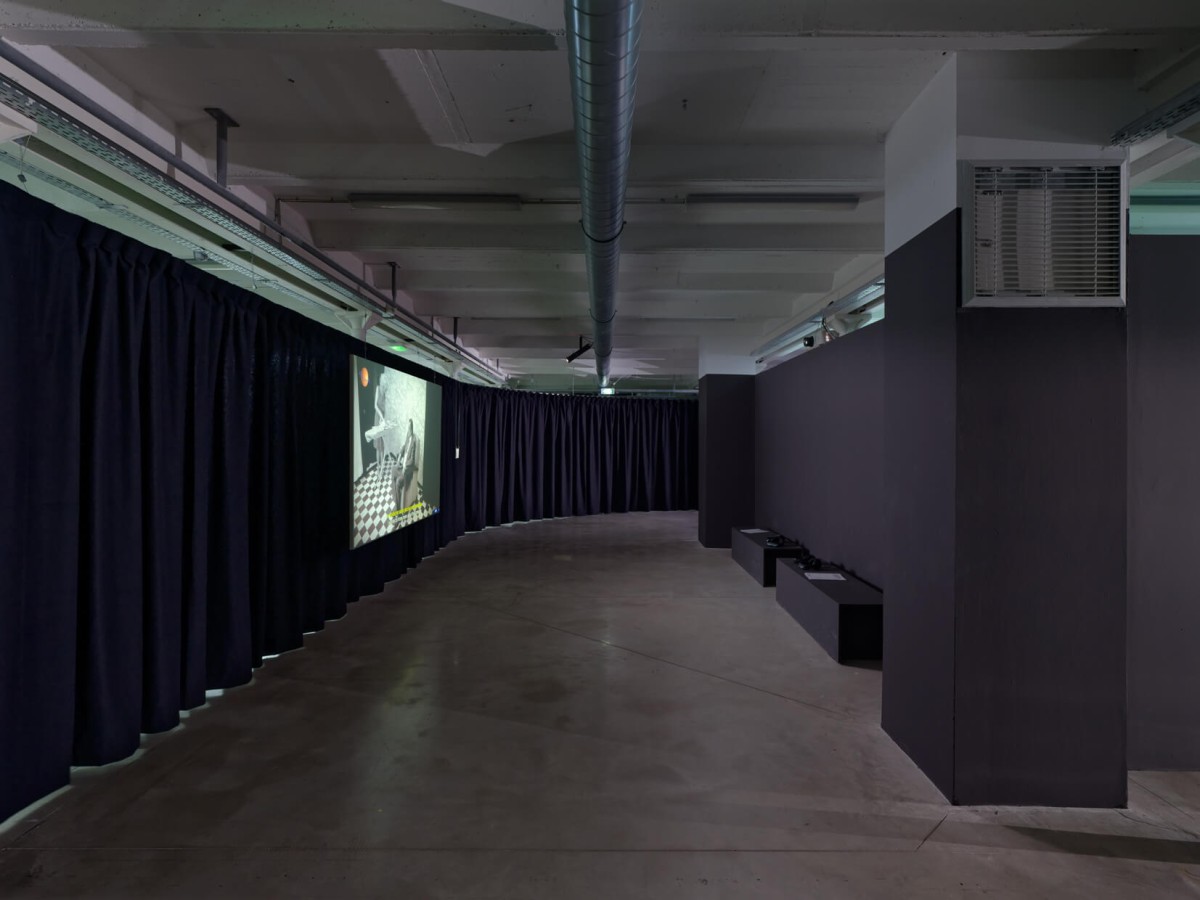
In her new installation Dress Rehearsal (2026), Mona Benyamin moves away from the narrative form, attempting instead to “alienate” Maurice Ravel’ Boléro. A 20th-century ballet piece, the Boléro, here rearranged in a minor key, is interpreted by a choir. Their off-key chants disrupt the aesthetic and physical experience of a musical monument of Western culture that the artist has bent to the sounds of Arabic music. The opening notes set the action in motion. On screen, her parents go up and down a spiral staircase until fully exhausted, trapped in this dissonant crescendo — a symbol of a suffocating hegemonic culture.
Replaying the refrain and its repetition, large swaths of black curtains create a spiral scenography within the exhibition, where sound, language, and history intertwine. In this blurred temporality, humor is both an aesthetic and political strategy, pointing to a “hope that begins in the present and extends into the future.”
Curators: Line Ajan (guest curator) and Camille Ramanana Rahary (associated curator)
Production: Camille Ramanana Rahary
Exhibition installation and technical coordination: John Girard, Crao Man, Caroline Selig
Outreach: Capucine Tible, Key Soulié
Exhibition reception agents: Youmna Ali, Aude Bourhis, Tatiana Calderon Ellis, Elisa Cardeilhac, Elsa Gasnault, Rachid Hogas, Charlotte Kinon, Agathe Mirafiore, Yoen Murray Burke, Romane Philippe, Souvenir Sitty Bahiya, David Soriano, Mia Suau Annabelle Verhaeghe